How Long Does a Concrete Septic Tank Actually Last?
September 22, 2026
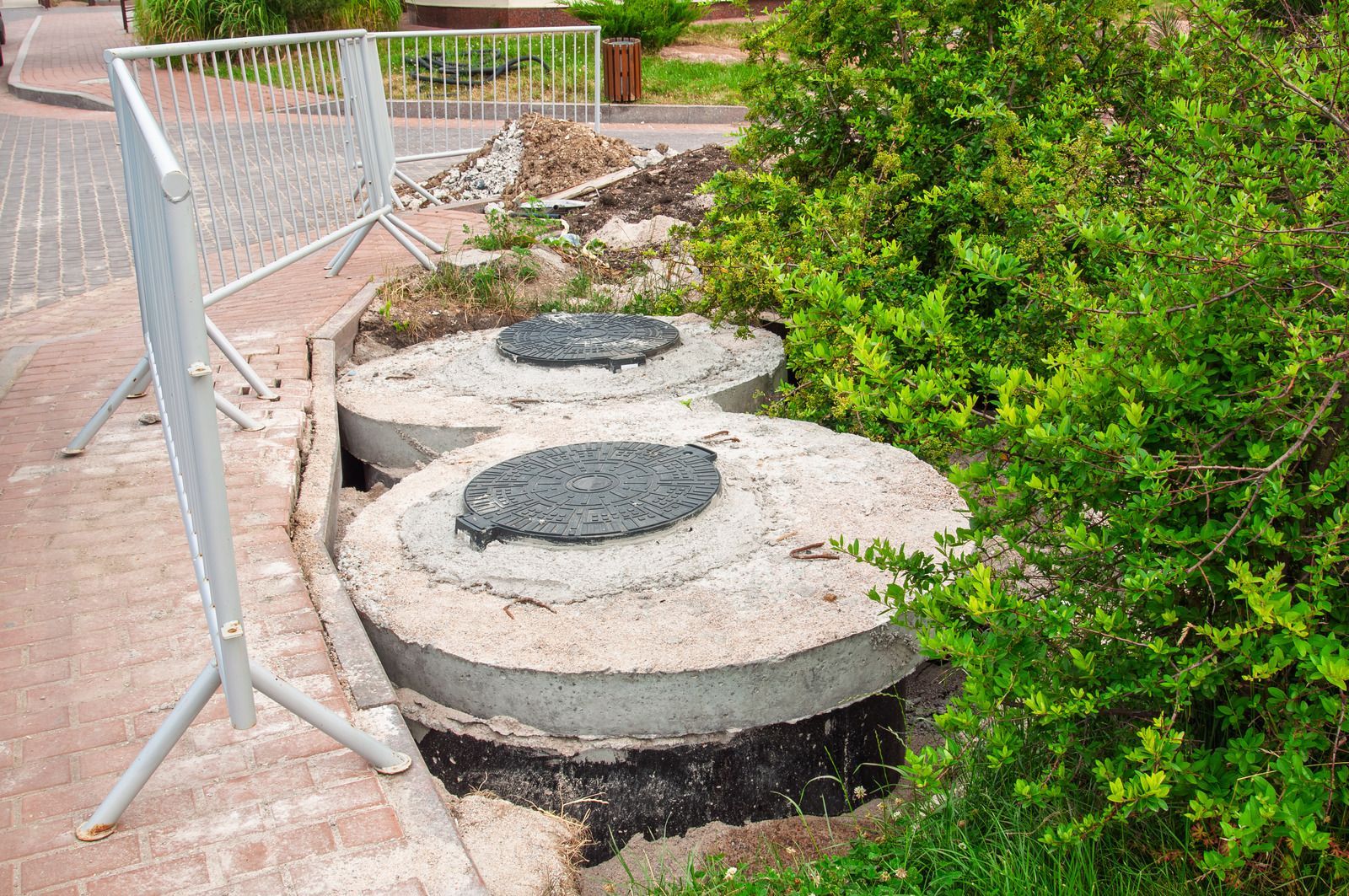
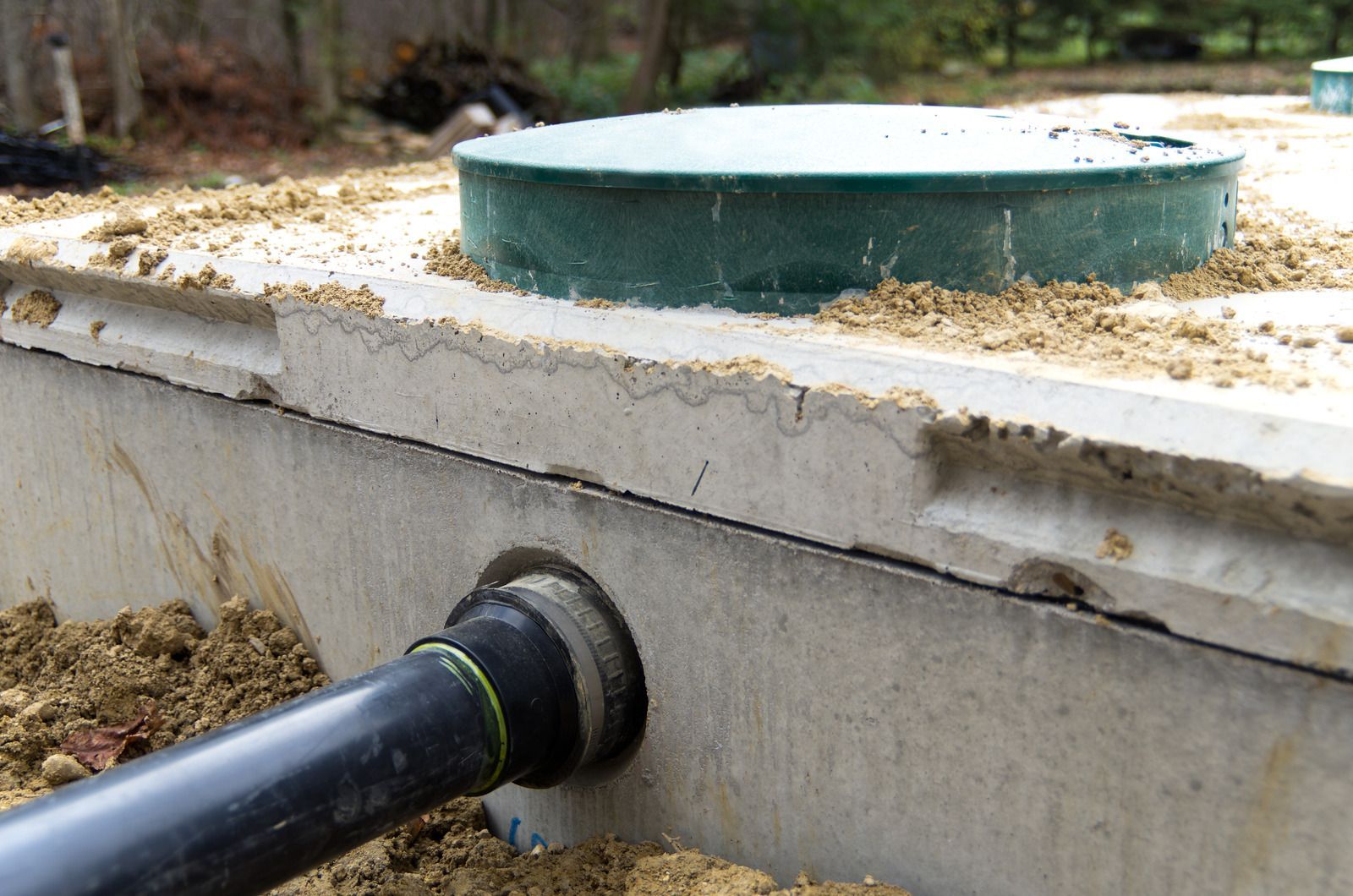
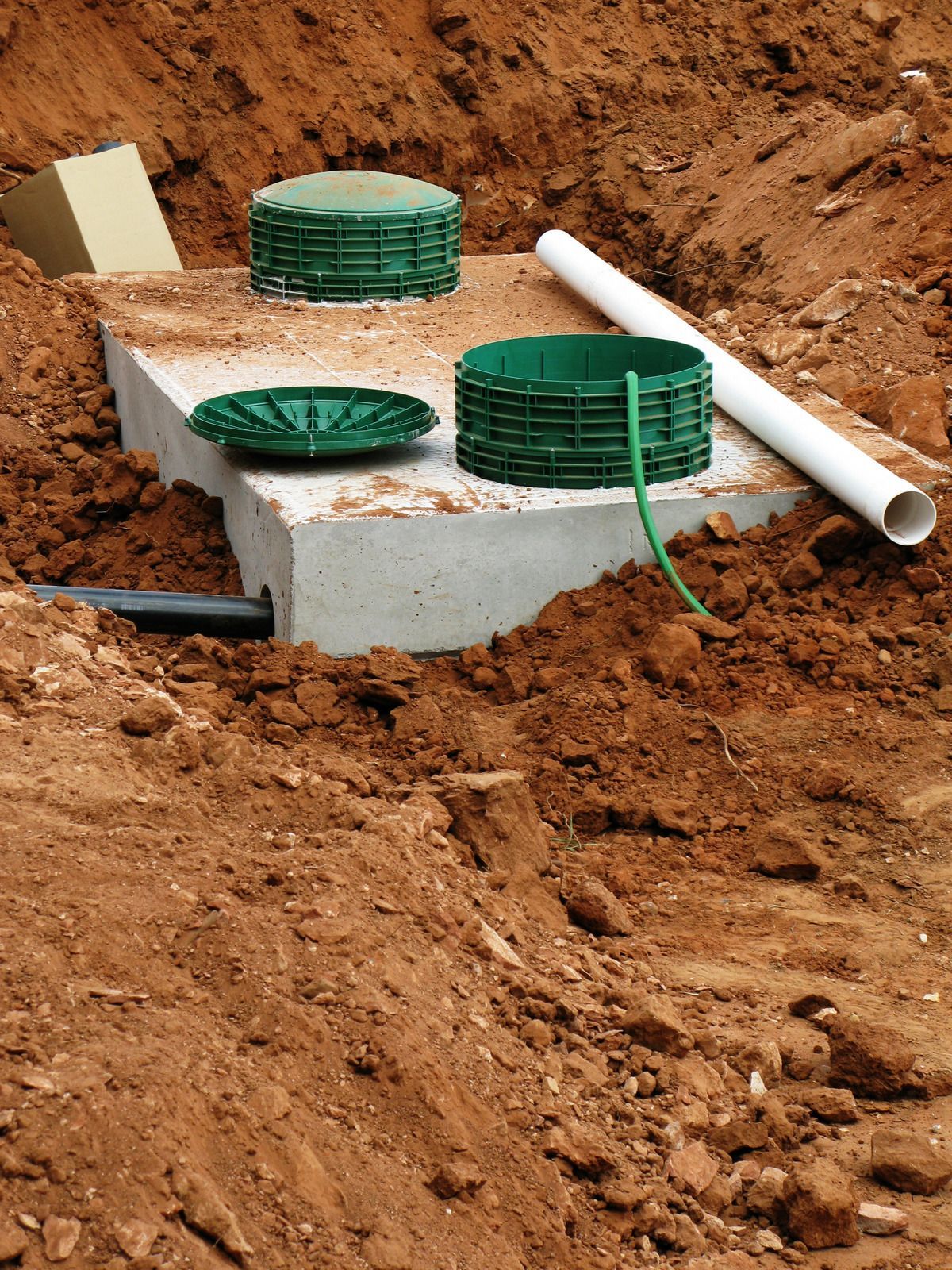
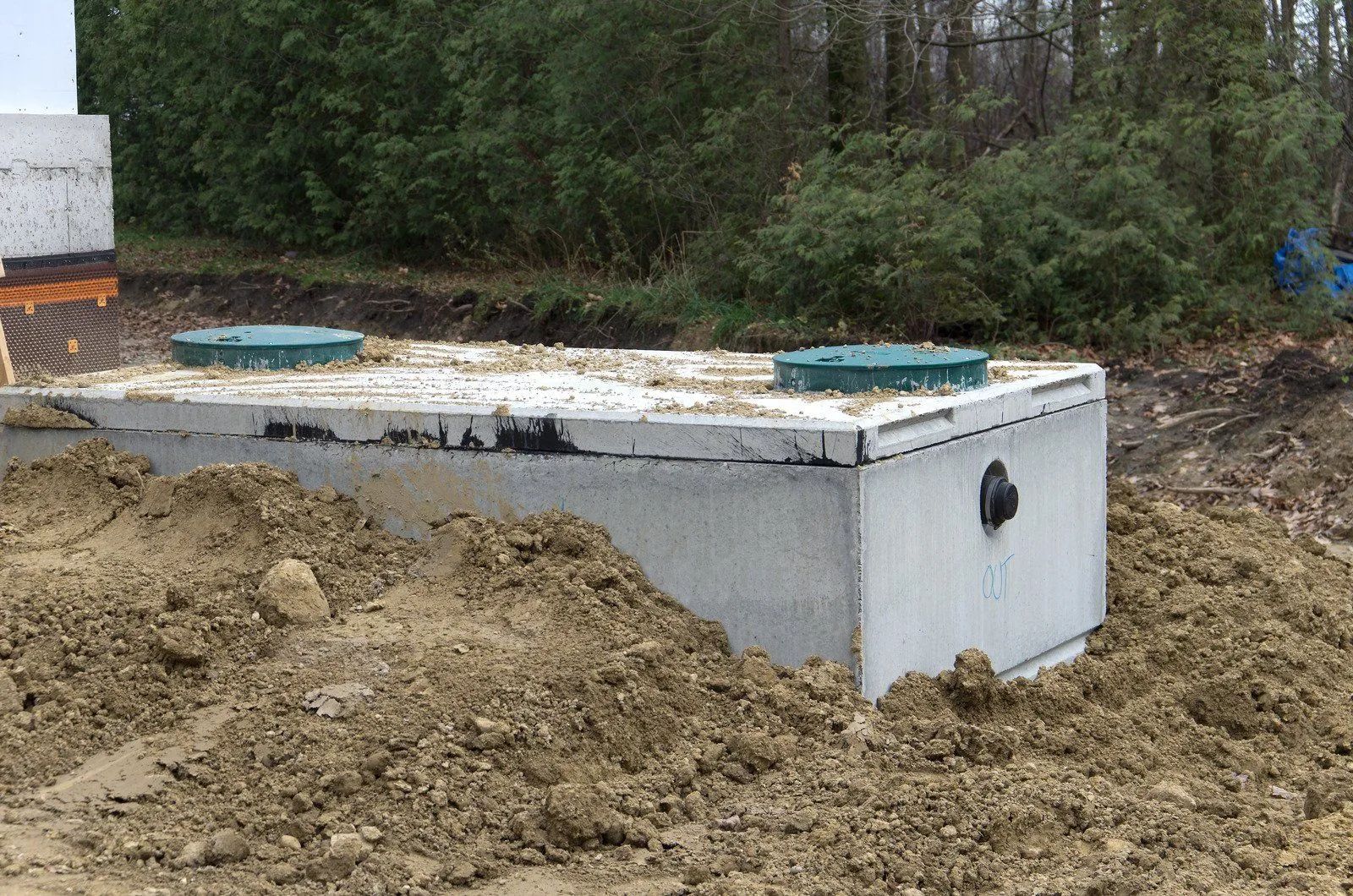
Quick Answer: A properly built concrete septic tank typically lasts 40 years or longer, and many run well past that mark with routine pumping and no physical abuse. The number swings based on four things: how the tank was manufactured, what's in the wastewater running through it, the ground it sits in, and how often it gets pumped. Reinforced, pressure-tested concrete resists the freeze-thaw cycling and shifting soil common across Southwest Michigan far better than thin-walled or poorly cured tanks. The tank's biggest enemy isn't age at all — it's hydrogen sulfide gas converting into sulfuric acid on the inside walls above the waterline, a slow process that skips tanks that get pumped on schedule and accelerates in tanks that don't.
You inherited a septic tank you've never seen, or you're standing over one that's been quietly doing its job since before you owned the place, and the question that actually matters isn't "is it old" — it's "how much life is left in it." Age alone tells you almost nothing. A twenty-year-old tank installed correctly and pumped on schedule can easily outlast a twelve-year-old tank that's been neglected or sitting in acidic backfill. The material matters, but so does everything that happens to it after the truck leaves the site.
Concrete has earned its reputation as the long-haul option in wastewater containment for a reason, and it's not marketing talk — it's chemistry and mass. A precast concrete tank is heavy enough to resist floating in a high water table, rigid enough to shrug off frost heave that would crack a thinner-walled plastic tank, and dense enough that groundwater doesn't wick through it the way it can through cheaper materials. None of that means every concrete tank performs the same. Two tanks poured from the same mix design can age at wildly different rates depending on how they were reinforced, cured, and installed.
Pick ready mix when the concrete has to be one continuous piece tied into the ground. Footings, foundation walls, garage slabs, basement floors, and driveways all want a monolithic pour that bonds to rebar and the surrounding structure as a single unit. Custom shapes belong here too. If the geometry is one of a kind, no mold exists for it, so you place it wet and form it on site.
Large flatwork is the clearest case. A driveway in Van Buren County moving across an uneven base needs to be poured, screeded, and finished in one working window so you never get a cold joint where two pours meet and later split apart.
What Actually Wears Out a Concrete Septic Tank
Most people picture a septic tank failing because concrete just "gets old," the way a driveway eventually cracks. That's not really what happens underground. A buried tank isn't exposed to sun, freeze-thaw cycling on its outer walls, or foot traffic — the soil around it buffers most of that. What actually degrades a septic tank happens on the inside, above the liquid line, and it's driven by chemistry most homeowners never think about.
Sulfide Corrosion Is The Real Clock
Wastewater bacteria break down organic waste and release hydrogen sulfide gas, creating the rotten-egg smell. Above the waterline, Thiobacillus bacteria consume that gas and produce sulfuric acid. The acid gradually attacks concrete, creating a soft, crumbly surface that weakens the structure. This sulfide corrosion is a major cause of premature concrete wastewater tank failure, often exceeding other environmental stresses.
Reinforcement And Mix Quality Set The Starting Point
A tank built with properly welded rebar, adequate wall thickness, and a dense, low-permeability concrete mix starts with greater structural protection. More concrete means more material can withstand corrosion before structural components are affected. Pressure testing during manufacturing also matters because a watertight tank is less likely to develop hairline cracks that allow groundwater entry or effluent leakage over time.
Soil And Water Conditions Add Or Subtract Years
Southwest Michigan soil conditions vary considerably, affecting how long a concrete septic tank lasts. Sandy soil around Lawton or Mattawan drains differently than heavier clay near Kalamazoo or Portage. Expansive clay can create repeated pressure, while high water tables near Paw Paw and Decatur can increase buoyancy. Proper backfill compaction helps prevent shifting and stressed pipe connections over time.
Freeze-Thaw Affects The System, Not Usually The Tank Itself
Freeze-thaw cycles usually affect the surrounding septic system more than a buried concrete tank itself. Tanks installed below the regional frost line rarely freeze solid because they remain protected by surrounding soil. However, shallow risers, lids, and inlet components can experience cracking when exposed to freezing conditions. Compared with corrosion, freeze-thaw is typically a smaller long-term structural concern overall.
What Southwest Michigan Winters Do to the Decision
| Decision Factor | Ready Mix | Precast |
|---|---|---|
| Best for shape | Custom, monolithic, tied to rebar | Standard, repeatable units |
| Cure environment | Open air on your site | Controlled yard, steady conditions |
| Install speed | Days to gain strength before use | Set and ready fast |
| Site access need | Truck path plus washout area | Crane or boom plus firm ground |
| Weather sensitivity | High during the pour and cure | Low, cured before delivery |
| Quality consistency | Depends on field conditions | Uniform batch to batch |
Why Maintenance Habits Move the Number More Than Anything Else
Here's the part that surprises people: pumping schedule affects lifespan more directly than almost any manufacturing variable. When a tank goes unpumped for years, solids build up and the liquid level rises closer to the tank's access lid. That raises the "splash zone" where hydrogen sulfide gas concentrates and condenses on the walls — exactly the zone where sulfuric acid attacks concrete. A tank pumped every three to five years, per the EPA's general guidance, keeps that corrosive zone smaller and the gas concentration lower. A tank that goes fifteen years without service is effectively marinating its own walls in the compound that destroys them.
Household habits factor in too. A garbage disposal running constantly sends more solids into the tank, which means the sludge layer builds faster, the liquid level runs higher, and pumping needs to happen more often to keep pace. Chemical drain cleaners and antibacterial products can also throw off the bacterial balance a septic system depends on, sometimes producing more sulfide gas as a side effect rather than less. None of this shows up on the tank's exterior. It shows up thirty years later as a lid that's gone soft and pitted or an interior wall you can scrape with a screwdriver.
Physical abuse shortens lifespan in a completely different way, and it's avoidable. Running heavy equipment over a buried tank, building a structure on top of it, or letting root systems from nearby trees grow into pipe joints all create stress points that have nothing to do with the concrete's chemical durability. A tank rated to handle decades of sulfide exposure can still crack from a single afternoon of a loaded dump truck parking in the wrong spot.
Tip:
If you're not sure how old your tank is or when it was last pumped, a septic service technician can usually estimate remaining wall thickness during a routine pumping by checking for soft spots near the waterline with a probe. It's worth asking for that check the next time the truck is on site — it costs nothing extra and tells you far more than guessing based on the house's age.
What Southwest Michigan Winters Do to the Decision
| Decision Factor | Ready Mix | Precast |
|---|---|---|
| Best for shape | Custom, monolithic, tied to rebar | Standard, repeatable units |
| Cure environment | Open air on your site | Controlled yard, steady conditions |
| Install speed | Days to gain strength before use | Set and ready fast |
| Site access need | Truck path plus washout area | Crane or boom plus firm ground |
| Weather sensitivity | High during the pour and cure | Low, cured before delivery |
| Quality consistency | Depends on field conditions | Uniform batch to batch |
What a Long-Lasting Tank Looks Like From the Start
If you're comparing tanks for a new installation or a replacement, the manufacturing details you can't see once it's buried are the ones that determine whether you're looking at 40 years or 70. Wall thickness matters — thicker walls simply hold more material in reserve against corrosion. Reinforcement pattern matters, because welded rebar cages resist the kind of stress cracking that develops where a tank's shape changes, like around the baffle wall dividing a two-compartment tank. And watertightness testing at the factory matters more than almost anyone asks about, because a tank that leaks even slightly lets in groundwater that raises the internal water level unpredictably and speeds up everything else on this list.
Two-compartment and larger-capacity tanks add another variable worth understanding: the extra internal wall creates more surface area exposed to the splash zone, but it also improves settling and reduces the volume of solids that reach the outlet baffle. In practice, a well-built two-compartment tank often shows less wear at the outlet end than a single-compartment tank handling the same household load, simply because more solids settle out before the effluent moves toward the drainfield.
Concrete septic tanks manufactured for Southwest Michigan conditions typically account for the region's freeze-thaw cycling and variable water tables in the reinforcement and wall specification from the start — it's a different design consideration than a tank built for, say, sandy coastal Florida ground with no frost concerns at all. A tank engineered without regional conditions in mind isn't necessarily bad, but it's carrying less margin against the specific stresses your property will put on it year after year.
What Southwest Michigan Winters Do to the Decision
| Decision Factor | Ready Mix | Precast |
|---|---|---|
| Best for shape | Custom, monolithic, tied to rebar | Standard, repeatable units |
| Cure environment | Open air on your site | Controlled yard, steady conditions |
| Install speed | Days to gain strength before use | Set and ready fast |
| Site access need | Truck path plus washout area | Crane or boom plus firm ground |
| Weather sensitivity | High during the pour and cure | Low, cured before delivery |
| Quality consistency | Depends on field conditions | Uniform batch to batch |
Warning:
Never assume a septic tank's age tells you its condition. A tank installed in the 1980s that's been pumped on schedule and sits in stable, well-drained soil can easily outperform a tank installed ten years ago that's gone unpumped and sits in a high water table. If you're buying a property with an unknown septic history, treat the tank's actual condition — not its install date — as the number that matters.
Signs the Clock Is Running Out
A concrete tank nearing the end of its service life rarely fails without warning, though the warnings are easy to miss if you're not looking for them. Slow drains throughout the house, a soggy or unusually green patch over the drainfield, or a sewage odor that lingers outdoors rather than clearing after a day are all signs worth a professional look. Inside the tank itself, a technician checking during a pumping visit might find the interior walls near the waterline feeling soft, chalky, or pitted rather than smooth and hard — that's the sulfuric acid damage described earlier, and once it's visible, it's already progressed past the surface.
Cracks at the lid or riser junction are a different category of concern, and they often trace back to physical stress rather than chemical corrosion — settling, a vehicle rolling over the tank, or frost heave affecting a shallow-buried access point. Either way, the fix depends on catching it before it becomes an infiltration or effluent-leak problem, which is a much bigger and more disruptive repair than addressing a worn lid or riser on its own.
Frequently Asked Questions
Does a concrete septic tank actually last longer than plastic or fiberglass?
Concrete generally outperforms lighter materials, resisting flotation and frost heave better than plastic or fiberglass. But concrete faces internal sulfide corrosion those materials don't, so a neglected tank can underperform a well maintained plastic one.
Can I tell how much life is left in my septic tank without digging it up?
A pumping technician can probe interior walls near the waterline during service. Soft or crumbly concrete signals advancing corrosion, while a smooth, hard surface at the same age suggests the tank likely has decades left.
Does pumping frequency really change how long the tank lasts?
Yes, more than most homeowners expect. Longer gaps between pumpings raise liquid levels and concentrate hydrogen sulfide gas against tank walls, speeding acid conversion. A three to five year interval keeps that corrosive zone smaller.
Are two-compartment tanks more or less durable than single-compartment tanks?
Neither design is inherently more durable. A two-compartment tank spreads settling across chambers, reducing solids at the outlet, but adds an extra wall exposed to the splash zone. Maintenance quality matters more than compartment count.
Does the local water table affect how long a concrete tank lasts?
It affects installation stress more than chemical wear. A high water table creates buoyancy pressure that a properly weighted tank resists, though poor compaction during installation can still shift a tank and strain pipe connections.
What's the single biggest thing I can do to extend a concrete septic tank's life?
Keep it on a regular pumping schedule and keep heavy loads, vehicles, equipment, structures, off the ground above it. Those habits address the two forces that shorten tank life most: acid corrosion and physical stress.
What Southwest Michigan Winters Do to the Decision
| Decision Factor | Ready Mix | Precast |
|---|---|---|
| Best for shape | Custom, monolithic, tied to rebar | Standard, repeatable units |
| Cure environment | Open air on your site | Controlled yard, steady conditions |
| Install speed | Days to gain strength before use | Set and ready fast |
| Site access need | Truck path plus washout area | Crane or boom plus firm ground |
| Weather sensitivity | High during the pour and cure | Low, cured before delivery |
| Quality consistency | Depends on field conditions | Uniform batch to batch |
The Four Factors That Decide Tank Life
A concrete septic tank's true lifespan comes down to chemistry and craftsmanship, not the number stamped on a permit. Sulfide corrosion sets the pace from the inside, working slowly against whatever wall thickness and reinforcement the tank started with. Soil and water conditions add pressure of their own, but none of it moves faster than good maintenance can offset. The tank that lasts longest is rarely the newest; it's the one built right from the start and pumped on schedule ever since.
That combination of manufacturing quality and consistent upkeep is exactly what separates a tank that reaches 70 years from one that struggles past 40. Dave’s Concrete Products
has built reinforced, pressure-tested septic tanks from Lawton, Michigan for 41
years, shaping every wall thickness and reinforcement pattern around the freeze-thaw cycles and shifting soils this region actually produces. A tank engineered for these conditions from day one carries more margin against the corrosion and stress that wear down lesser-built concrete over time.