Ready-Mix vs Precast Concrete: Which One Your Project Actually Needs
June 29, 2026
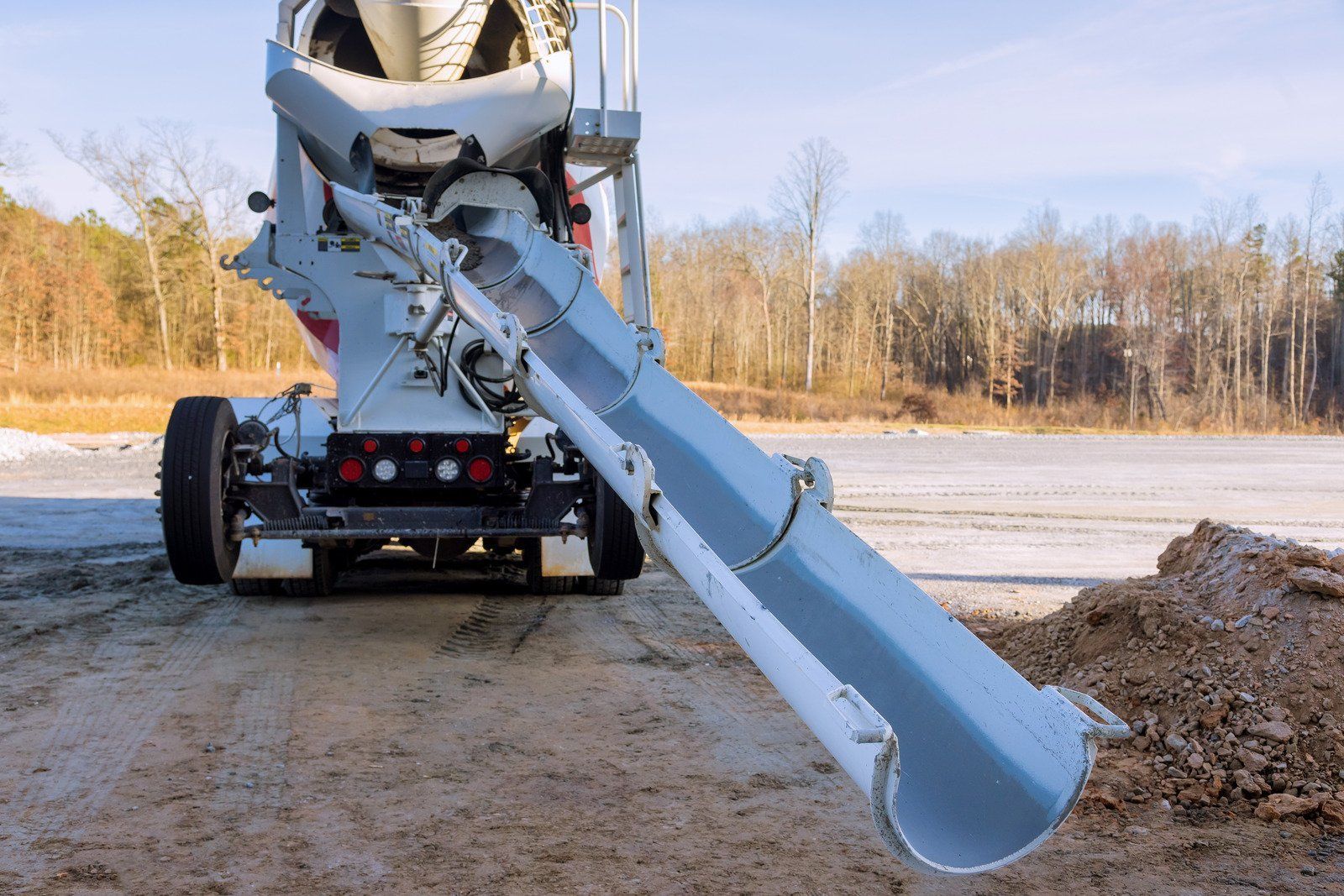
You have the project mapped out in your head. New driveway, a set of steps, a footing for an addition, maybe a tank going in the back of the lot. Then two people tell you two different things. One says pour it wet on site. The other says drop in a finished piece. Now you are standing in the yard wondering which one is right, and whether the cheaper sounding option is going to crack apart in three winters. The frustrating part is that both people sound confident, and neither one is exactly wrong. They are just answering for a different kind of job than the one sitting in your yard. What you actually need is a way to match the format to your specific project instead of trusting whoever spoke last.
Here is the short version before anything else. The right choice almost never comes down to which material is stronger, because both can hit the strength your project needs. It comes down to four things: the shape you are pouring, whether a truck or a crane can even reach the spot, how much concrete the job takes, and how much control you have over the weather while it cures. Get those four right and the decision makes itself. After setting and pouring both across this part of Michigan for a long time, we can tell you most regret comes from picking the format before answering those questions, not after. The good news is that once you run your project through those four filters, the answer is usually obvious. The rest of this guide walks you through exactly how to do that, including the local conditions that quietly tip the scale here.
The Real Difference Is Where It Cures
Strength is not the dividing line. Curing conditions are. Ready mix shows up wet in a drum, gets placed where it needs to go, and hardens out in the open on your site. Precast is poured into a mold in a controlled yard, held at steady temperature and moisture while it gains strength, then trucked in finished and set in place.
That matters because concrete does not dry, it reacts. Water and cement bond through hydration, and that reaction needs consistent moisture and a stable temperature to finish properly. In a yard we hold that environment steady every time. On an open site you are fighting wind, sun, cold nights, and the temptation to add water to the load so it spreads easier. That last one is the fastest way to weaken a pour, and it happens more than anyone admits.
When Ready Mix Is the Right Call
Pick ready mix when the concrete has to be one continuous piece tied into the ground. Footings, foundation walls, garage slabs, basement floors, and driveways all want a monolithic pour that bonds to rebar and the surrounding structure as a single unit. Custom shapes belong here too. If the geometry is one of a kind, no mold exists for it, so you place it wet and form it on site.
Large flatwork is the clearest case. A driveway in Van Buren County moving across an uneven base needs to be poured, screeded, and finished in one working window so you never get a cold joint where two pours meet and later split apart.
When Precast Wins
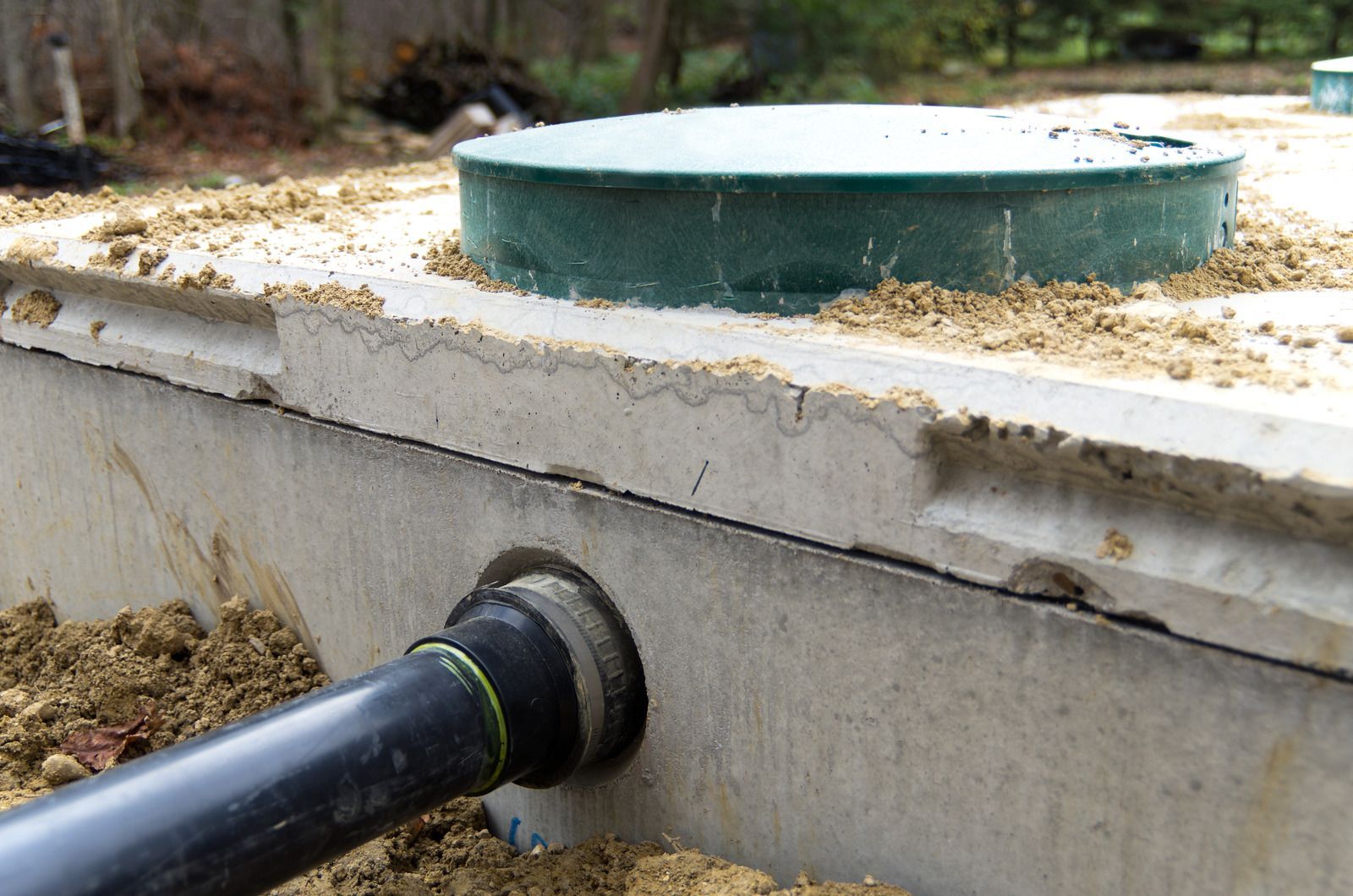
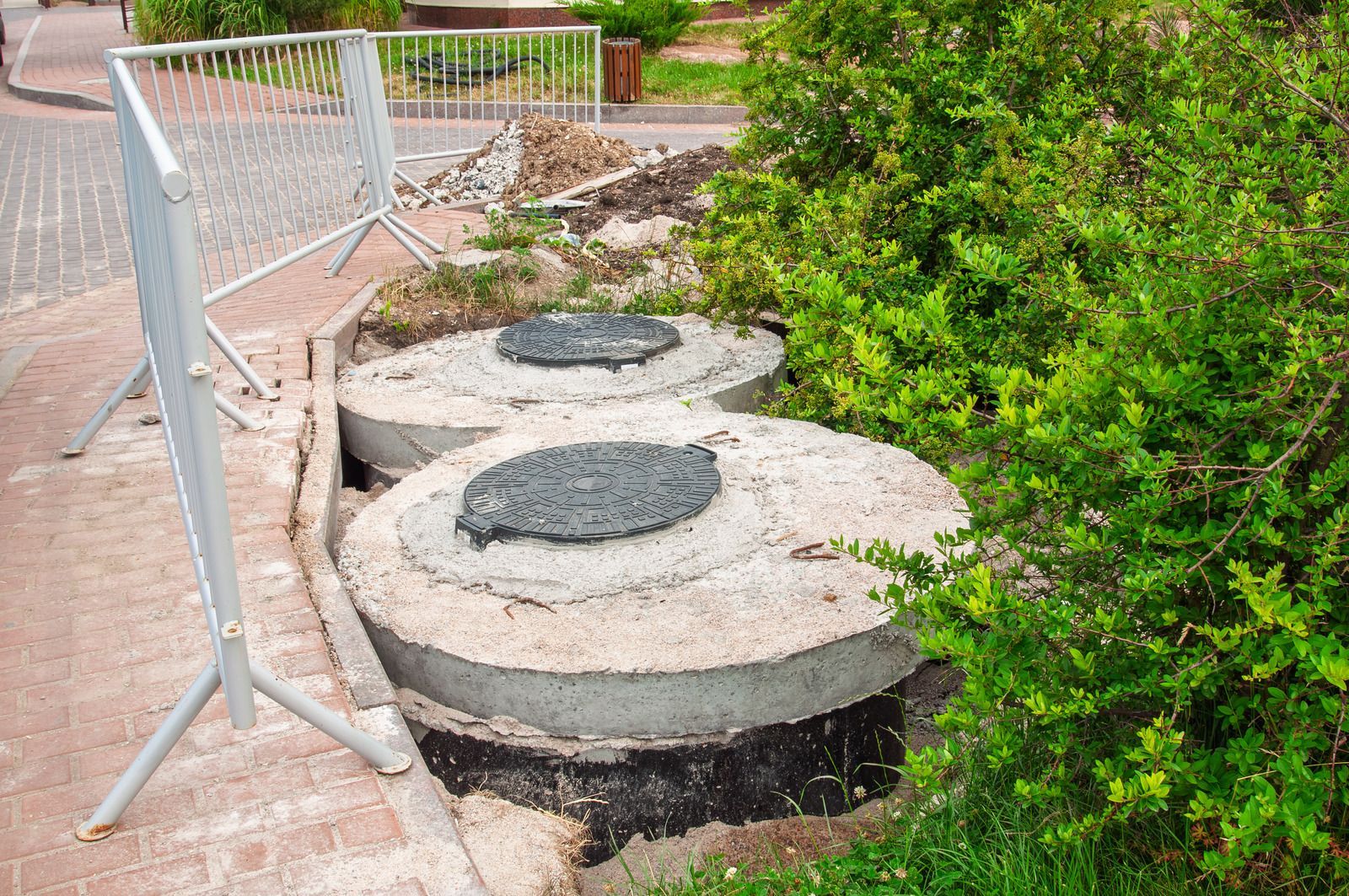
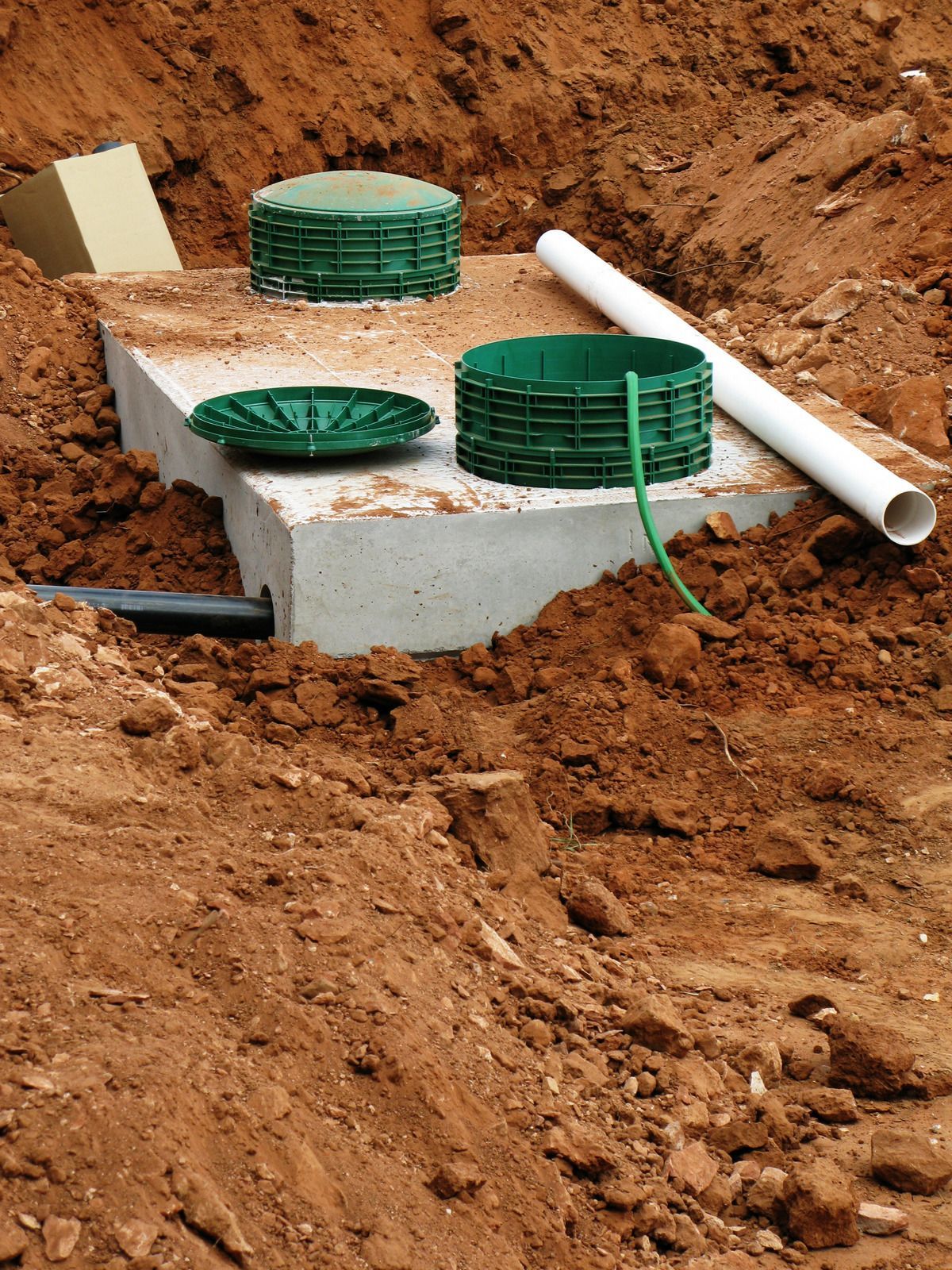
Reach for precast when the shape is standard and repeatable, and when speed of set matters. Septic tanks, catch basins, steps, light pole bases, and retaining wall units come out of a mold with the same dimensions and the same verified air content every single time. There is no waiting days for a field pour to gain strength before you can backfill or build on it.
Site access decides a lot here. A precast unit needs a crane or boom truck and firm ground to set on. A mixer needs a clear path in and a spot to wash out. If your lot is tight or soft, one of those is off the table before price ever enters the conversation.
Ready Mix vs Precast at a Glance
| Decision Factor | Ready Mix | Precast |
|---|---|---|
| Best for shape | Custom, monolithic, tied to rebar | Standard, repeatable units |
| Cure environment | Open air on your site | Controlled yard, steady conditions |
| Install speed | Days to gain strength before use | Set and ready fast |
| Site access need | Truck path plus washout area | Crane or boom plus firm ground |
| Weather sensitivity | High during the pour and cure | Low, cured before delivery |
| Quality consistency | Depends on field conditions | Uniform batch to batch |
What Southwest Michigan Winters Do to the Decision
Freeze thaw is the factor that quietly decides durability around here, and it tilts the choice more than people expect. We see dozens of freeze thaw cycles in a single winter. Water works into the surface, freezes, expands, and lifts the top layer off in flakes. The defense is air entrainment, microscopic bubbles that give freezing water somewhere to expand without blowing the surface apart.
In a controlled yard that air content gets dialed in and checked on every batch. In the field, a late season pour that catches rain, gets troweled at the wrong moment, or freezes before it sets can lose that protection. Frost depth here runs deep, close to 42 inches, so footings have to sit below it or they heave every spring no matter how good the mix was. From late fall into early spring the field pour window tightens hard, while precast keeps moving because it cures indoors regardless of what the thermometer says outside.
How to Make the Call Without Guessing
Answer the four questions in order: shape, access, volume, weather window. Custom and tied to the ground points you toward ready mix. Standard, repeatable, and needed fast points you toward precast. A tight or soft lot may force one regardless of preference.
A few honest mistakes we watch people make. Adding water to a wet load on site to make placement easier feels harmless and quietly drops the strength. Squeezing a field pour in too late in the season without blankets or a heated enclosure invites freeze damage you will not notice until spring spalling shows up. And chasing a high strength number while ignoring air entrainment is a trap, because high strength concrete with no air will still flake apart in a Michigan winter.
Frequently Asked Questions
Is precast stronger than ready mix?
Not by default, and strength rarely decides the choice anyway. Both formats reach whatever rating your project calls for. Precast tends to stay more consistent because it cures in a controlled yard with verified air content checked on every single batch. A properly placed and protected ready mix pour performs just as well once it sets fully into the ground around your rebar and footing.
Can I pour ready mix in winter in southwest Michigan?
Yes, with the right protection in place. The mix needs heated water, the ground beneath it cannot be frozen, and the fresh pour wants insulating blankets or a heated enclosure while it cures. Skip that protection and a single cold snap can ruin the whole pour overnight, freezing the surface before hydration finishes and leaving you with weak, flaking concrete by the time spring arrives.
Which one installs faster?
Precast almost always wins on speed. It arrives fully cured from the yard, so you set it in place and move on the same working day, no waiting required. Ready mix needs real time on site to gain strength before you can safely backfill against it, drive across it, or build anything above it. That curing gap can stretch several days depending on local conditions.
Does precast crack less than ready mix?
Often it does, yes. Controlled curing and verified air content in the yard reduce surface cracking and freeze damage compared to an average field pour. Ready mix can absolutely match that performance, but only when the concrete is placed, finished, and protected correctly in good field conditions. Rushed timing, added water, or a missed finishing window are usually what opens up those early surface cracks.
Which holds up longer outdoors in Michigan?
Whichever one has proper air entrainment and solid drainage underneath it. Freeze thaw, not the format you chose, decides outdoor lifespan around here. A well aired precast unit and a well aired field pour both last decades when water is never allowed to pool against or beneath the surface. Keep the base draining and the air content right, and either format easily wins for decades.
Experienced Hands Setting Your Concrete Project Correctly
The principle is simple: let shape, site access, volume, and weather control decide the format, not a hunch about which material sounds tougher. That choice carries more weight in southwest Michigan than almost anywhere, because our freeze thaw winters punish any pour that loses its air protection or sits above the frost line. At Dave's Concrete Products in Lawton, Michigan, we have poured ready mix and set precast for 41 years across Lawton, Michigan. Bring us your project details and we will tell you straight which one your job actually needs.