A Step-by-Step Guide to Septic Tank Installation for Homeowners
March 17, 2026
Installing a septic tank is a crucial aspect of managing wastewater for homes not connected to municipal sewer systems. A properly installed septic system ensures that household wastewater is safely and efficiently treated, protecting both the environment and the health of your family. Despite its importance, many homeowners find the process daunting due to its technical requirements, regulatory considerations, and the need for long-term maintenance. Understanding the step-by-step process of septic tank installation empowers homeowners to make informed decisions, avoid costly mistakes, and ensure the longevity and reliability of their systems.
The growing emphasis on sustainable and efficient waste management has made septic systems an essential feature for rural and suburban properties. Unlike conventional sewage systems, a septic system operates on-site, making proper installation critical to avoid leaks, blockages, or contamination of nearby water sources. By learning the process—from site evaluation to final inspection—homeowners can gain confidence in their investment and understand the factors that influence system performance. This guide offers a detailed, professional walkthrough of septic tank installation, covering everything homeowners need to know to navigate this essential aspect of property management.
1. Planning and Site Evaluation
- Understanding Local Regulations
Before beginning any installation, it is imperative to understand local and state regulations regarding septic systems. Building codes, environmental restrictions, and health department guidelines dictate the type of system permissible on your property, the minimum distance from water sources, and the size of the tank based on household occupancy. Contacting your local health department or permitting authority ensures that your septic system plan meets all necessary standards.
- Assessing Property Conditions
A thorough property evaluation helps determine the optimal location for your septic system. Factors to consider include soil type, groundwater levels, slope, and proximity to wells, streams, and other water bodies. Hiring a licensed professional to conduct a percolation test and soil analysis can provide a clear understanding of your property’s suitability and guide system design.
- Estimating System Size
The size of your septic tank and drain field must align with household needs. A typical single-family home requires a tank capacity of 1,000 to 1,500 gallons, depending on the number of bedrooms and water usage. By evaluating household water consumption patterns and consulting with professionals, homeowners can select a system that balances efficiency, cost, and long-term sustainability.
2. Excavation and Site Preparation
Marking the Layout
Once the site is approved and the system size determined, the installation area should be carefully marked. Using flags, spray paint, or stakes, indicate the locations of the septic tank, distribution box, and drain field. Accurate layout ensures that the system components are properly aligned and that construction crews can execute excavation without complications.
Excavation Process
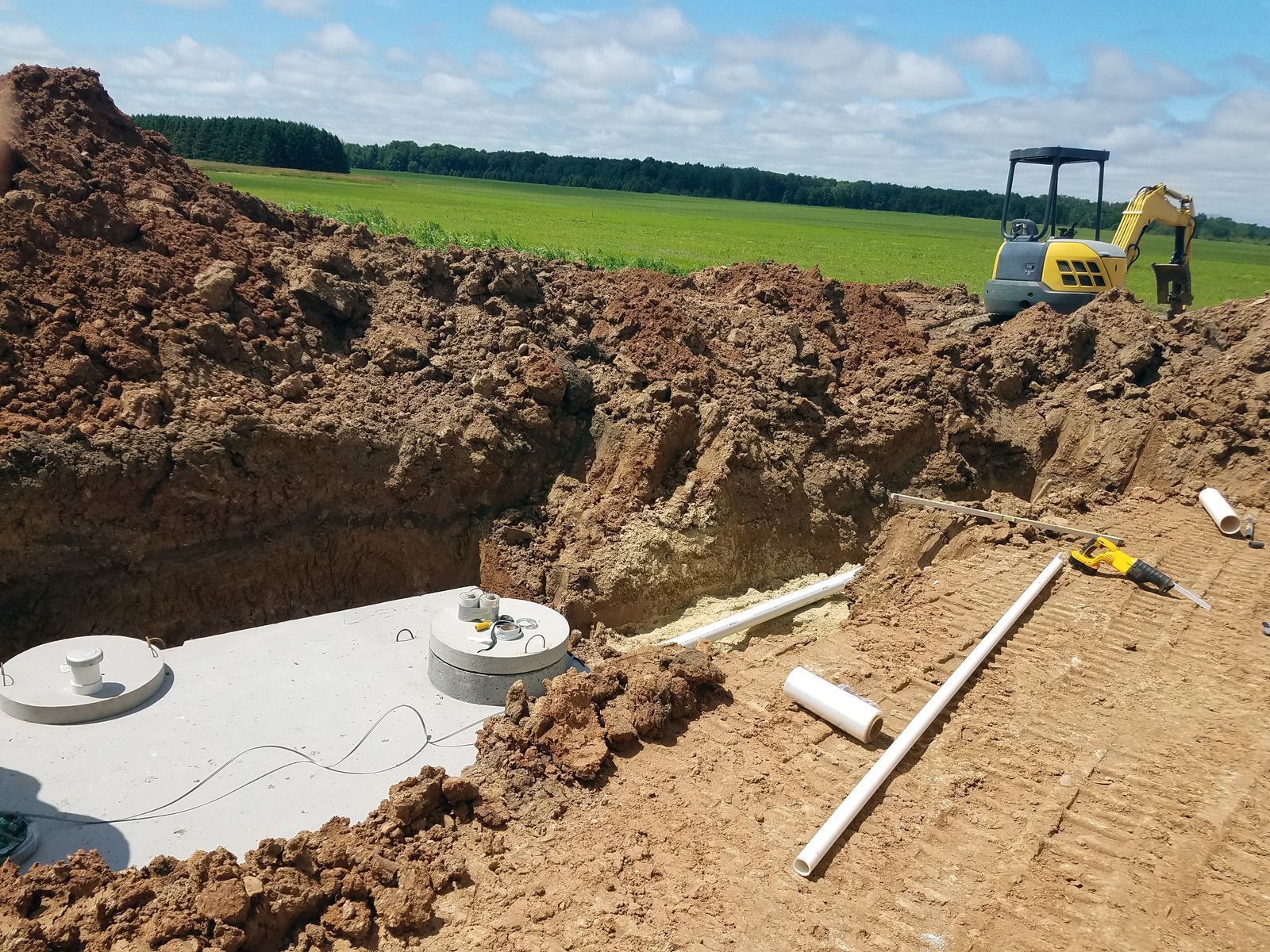
Excavation is a critical step requiring precision and safety measures. Heavy machinery such as backhoes or excavators is typically used to dig trenches for the tank and drain field. It is essential to avoid underground utilities, tree roots, or other obstacles that could compromise the system. Proper grading ensures that wastewater flows smoothly from the household plumbing into the tank and then to the drain field.
Soil Stabilization and Base Preparation
After excavation, the base of the tank and drain field trenches must be leveled and stabilized. A layer of sand or gravel is often added to create a firm foundation, prevent settling, and support the tank’s weight. Proper base preparation minimizes the risk of tank shifting or damage over time, especially in areas with loose or unstable soil. This step also helps prevent water pooling around the tank, which could lead to system inefficiencies or environmental contamination.
3. Septic Tank Installation
- Positioning the Tank
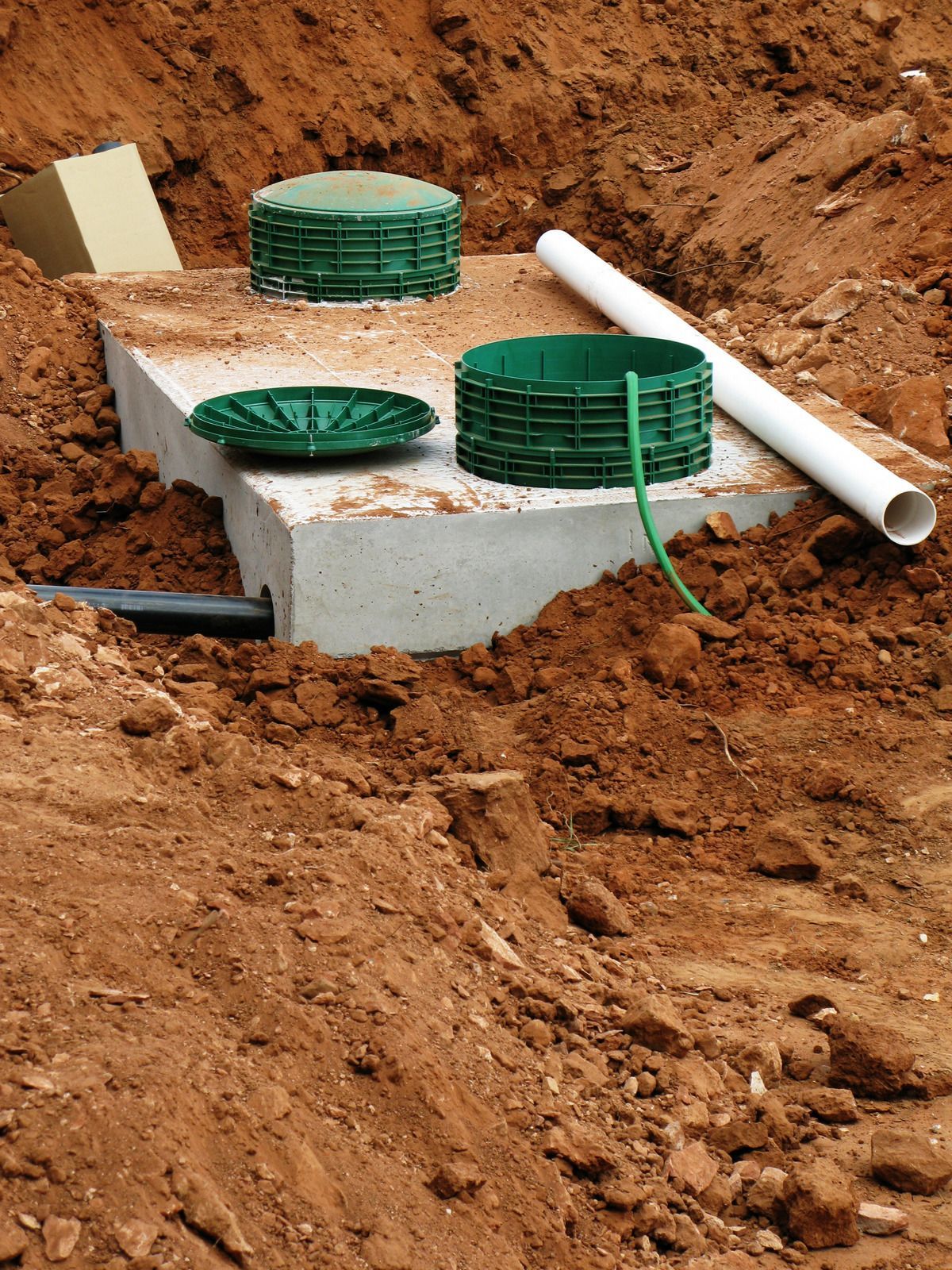
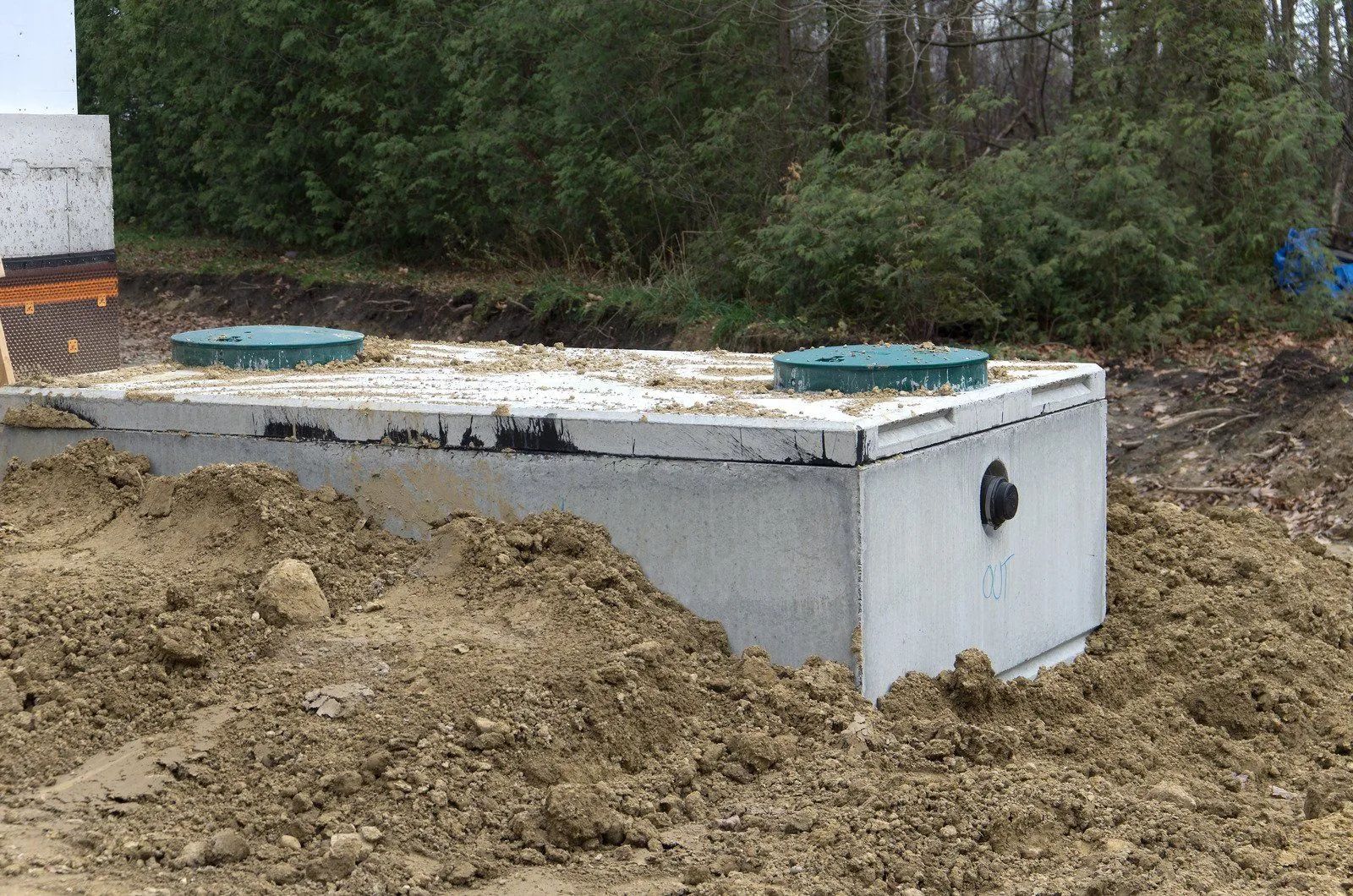
Septic tanks are usually made of concrete, fiberglass, or polyethylene, each with unique handling requirements. Concrete tanks, for example, require careful placement using cranes or lifting equipment due to their weight. The tank must sit level and be aligned with the household plumbing. Ensuring the inlet and outlet pipes are at the correct heights is critical for efficient wastewater flow.
- Connecting the Plumbing
The household plumbing must be securely connected to the septic tank inlet. PVC or ABS piping is commonly used to carry wastewater from sinks, toilets, and appliances to the tank. Proper connections include sealing joints to prevent leaks and ensuring a slight downward slope for gravity-assisted flow. The outlet pipe then directs effluent from the tank to the drain field, with care taken to avoid backflow or blockages.
- Backfilling Around the Tank
Once the tank is positioned and plumbing connections verified, backfilling begins. Soil is carefully placed around the tank in layers, compacted to avoid air pockets or uneven settling. Some systems require the use of sand or gravel during backfilling to provide additional support and drainage. Homeowners should ensure that backfill material does not include large rocks or debris that could damage the tank.
4. Drain Field Installation
Designing the Drain Field
The drain field, also known as the leach field, is the component responsible for dispersing treated effluent into the soil. Its design depends on soil absorption rates, tank capacity, and property layout. Trenches or beds are typically used, filled with gravel or crushed stone to support perforated piping. Proper spacing and slope are essential to allow uniform distribution and prevent saturation in any one area.
Installing Distribution Pipes
Perforated pipes are laid within the prepared trenches or beds, allowing effluent to seep gradually into the surrounding soil. Pipes must be correctly spaced and sloped to ensure even flow. In some cases, a distribution box is installed to evenly divide wastewater among multiple trenches. Inspecting for proper alignment and slope is vital, as even minor deviations can reduce system efficiency and increase maintenance needs.
Covering and Protecting the Drain Field
After pipe installation, the drain field is covered with additional gravel and then soil to restore the landscape. A layer of sand or topsoil may be added to facilitate vegetation growth and prevent erosion. Homeowners should avoid compacting the soil heavily or planting trees with invasive roots over the drain field, as these can damage pipes and impede wastewater absorption. Clear labeling and fencing may also help protect the area from future construction or vehicle traffic.
5. System Testing and Inspection
- Initial System Fill
Before the septic system is fully operational, tanks are typically filled with water to simulate normal usage. This step ensures that the tank settles correctly and that there are no leaks in plumbing connections. Monitoring the tank during this phase allows installers to detect issues early and adjust the system as needed.
- Health and Safety Inspections
Local health departments usually require a final inspection to verify compliance with codes and regulations. Inspectors will assess the tank, drain field, piping, and overall system layout. Approval confirms that the installation meets safety and environmental standards and ensures that homeowners can legally use the system.
- Educating Homeowners
After installation, homeowners should be educated about system operation and maintenance. This includes understanding the need for regular pumping, avoiding excessive water usage, and refraining from flushing harmful chemicals or non-biodegradable items. Proper usage ensures the longevity of the system and reduces the likelihood of costly repairs or environmental damage.
6. Maintenance and Best Practices
Routine Pumping
Septic tanks require periodic pumping to remove accumulated solids, typically every three to five years depending on tank size and household usage. Regular pumping prevents solids from overflowing into the drain field, which can cause clogs and system failure. Homeowners should keep records of pumping schedules to maintain consistent care.
Water Conservation
Excessive water use can overload a septic system and reduce treatment efficiency. Simple measures, such as fixing leaks, using high-efficiency appliances, and spreading laundry loads throughout the week, help maintain proper system function. Conservation practices also extend the lifespan of both the tank and drain field.
Preventing Damage
Avoid driving vehicles over the septic tank or drain field, planting deep-rooted trees nearby, or disposing of hazardous chemicals down the drain. Protective measures prevent physical damage to the system, maintain soil absorption rates, and safeguard groundwater quality. Proper landscaping and clear marking of the system area are recommended.
Monitoring and Troubleshooting
Homeowners should periodically inspect the system for signs of failure, such as slow drains, foul odors, or pooling water in the yard. Early detection of issues allows for timely intervention, preventing costly repairs and environmental contamination. Keeping a maintenance log and consulting professionals when necessary helps ensure reliable operation.
Professional Guidance for Long-Lasting Septic System Success
Installing a septic system is a significant investment that impacts home functionality, environmental safety, and long-term maintenance responsibilities. From initial planning to drain field installation and ongoing care, each step requires precision, knowledge, and adherence to local regulations. A well-installed septic system not only manages household wastewater efficiently but also protects your property and surrounding ecosystems from contamination. Understanding the installation process equips homeowners with the insights needed to make informed choices, select reputable professionals, and implement best practices that ensure lasting system performance.
For homeowners in Lawton, Michigan, Dave’s Concrete Products
offers unparalleled expertise in
septic tank installation
and support. With 41
years of experience in manufacturing and providing high-quality concrete septic tanks, Dave’s Concrete Products
has built a reputation for reliability, precision, and industry-leading solutions. The company’s team works closely with homeowners, contractors, and local authorities to ensure every system meets regulatory standards while delivering superior durability. By choosing a trusted provider like Dave’s Concrete Products, homeowners can gain peace of mind knowing their septic systems are built to last, supported by decades of professional knowledge, and backed by a commitment to excellence in service and product quality.