The Role of Concrete Strength in Manufacturing Reliable Septic Tanks
February 22, 2026
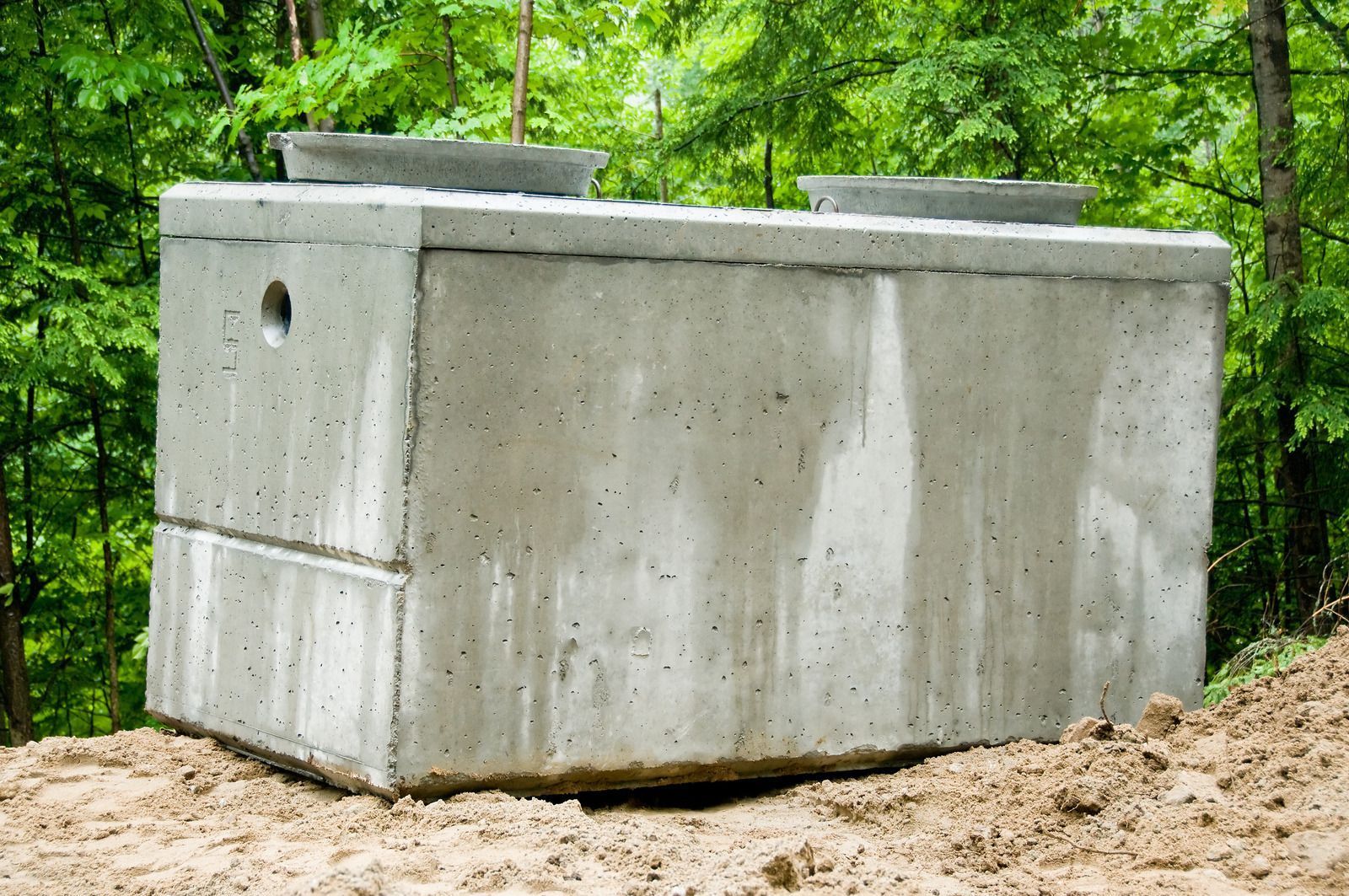
Concrete has long been the material of choice for manufacturing durable and long-lasting septic tanks. Its versatility, compressive strength, and resistance to environmental stressors make it ideal for containing wastewater and ensuring safe, efficient operation over decades. In the septic tank industry, the quality of the concrete directly influences the structural integrity, lifespan, and overall performance of the tank. Selecting the right mix, monitoring curing conditions, and maintaining consistent quality standards are essential practices to guarantee reliability and safety in residential, commercial, and municipal installations. Understanding how concrete strength impacts septic tank manufacturing is crucial for professionals in construction, plumbing, and wastewater management.
In recent years, increasing regulatory standards and a focus on sustainable infrastructure have elevated the importance of robust septic tank construction. Failure to use appropriately strong concrete can lead to cracks, leaks, and structural failures, resulting in environmental hazards and costly repairs. By prioritizing concrete strength, manufacturers can create septic tanks capable of withstanding soil pressures, varying water loads, and seasonal temperature fluctuations. This article explores the critical role of concrete strength in septic tank production, covering key factors, best practices, challenges, and expert insights, offering actionable guidance for industry stakeholders seeking to optimize both durability and performance.
Understanding Concrete Strength in Septic Tank Manufacturing
- What Concrete Strength Means
Concrete strength refers to its ability to resist compressive forces without cracking or breaking. For septic tanks, this property is especially vital as tanks are buried underground, exposed to soil pressures, vehicle loads, and fluctuating moisture conditions. Compressive strength, typically measured in pounds per square inch (psi) or megapascals (MPa), indicates how much load the material can withstand before failing. Higher-strength concrete improves durability, reduces maintenance needs, and ensures safety, making it a non-negotiable factor in reliable septic tank manufacturing.
- Factors Influencing Concrete Strength
Several factors influence the strength of concrete used in septic tanks. First, the water-to-cement ratio plays a critical role; too much water weakens the mixture, while too little may reduce workability. Second, the quality of aggregates affects structural performance, as coarse and fine materials contribute to load distribution. Third, the choice of cement, admixtures, and supplementary materials such as fly ash or silica fume can enhance durability and resistance to chemical corrosion. Manufacturers must monitor mixing precision, curing time, and environmental conditions during production to consistently achieve the desired strength, as even minor deviations can compromise the tank’s integrity.
Design Considerations for Strong Septic Tanks
Wall Thickness and Reinforcement
One of the most direct ways concrete strength translates into reliability is through proper tank design. Thicker walls provide additional resistance to soil and hydrostatic pressures. Reinforced concrete, incorporating steel rebar or mesh, distributes stress evenly across the tank structure, reducing the risk of cracks. Reinforcement placement, spacing, and steel grade selection are critical elements that complement concrete strength, ensuring that the tank can withstand both static and dynamic loads over its lifespan.
Structural Geometry and Load Distribution
The shape of a septic tank also affects its ability to resist external forces. Rectangular or cylindrical tanks are common designs, each with advantages in load distribution. Cylindrical tanks, for example, naturally resist soil pressure and are less prone to stress concentration at corners, while rectangular tanks can be optimized with internal ribbing or thicker side walls. Proper geometric design, combined with high-strength concrete, ensures that the tank remains stable under varying environmental conditions, preventing structural failures and costly maintenance issues.
Curing Processes and Strength Development
- Importance of Proper Curing
Concrete strength develops over time, and proper curing is essential to achieve maximum performance. Curing involves maintaining moisture, temperature, and humidity at optimal levels to allow cement hydration and matrix formation. Inadequate curing can result in incomplete hydration, leading to weaker concrete with a higher susceptibility to cracking and chemical damage. For septic tanks, manufacturers often use controlled curing environments, including steam curing or moisture-retaining covers, to accelerate strength development while maintaining structural integrity.
- Techniques to Enhance Strength
Several techniques can improve concrete strength during production. Using additives such as plasticizers or superplasticizers increases workability without raising the water content, allowing for denser, stronger concrete. Supplementary cementitious materials, like silica fume, enhance microstructure density and reduce porosity, which improves chemical resistance—a critical factor for septic tanks exposed to corrosive wastewater. By combining proper curing with these techniques, manufacturers can produce septic tanks that reliably meet performance standards and environmental regulations.
Environmental and Operational Challenges
Soil Pressure and Ground Conditions
Septic tanks must endure varying soil types, moisture levels, and pressures. Clay-heavy soils exert high lateral pressure, while sandy soils may shift, applying uneven forces to buried tanks. The concrete’s compressive strength must account for these conditions to prevent cracking, tilting, or structural collapse. Manufacturers often perform geotechnical assessments or follow standardized design guidelines to ensure tanks can resist expected environmental loads without failure.
Chemical Exposure and Durability
Wastewater contains a range of chemicals, from organic acids to household cleaning agents, which can compromise concrete over time. High-strength concrete with low permeability offers better resistance to chemical attack, preventing leaks, corrosion of reinforcement, and premature deterioration. Protective coatings or concrete admixtures can further enhance resistance, ensuring that septic tanks maintain performance in harsh operational environments. This attention to durability not only protects property and the environment but also reduces long-term repair costs for homeowners and municipalities.
Quality Assurance and Testing
- Standards and Specifications
Reliable septic tanks are produced under strict quality control protocols. Standards such as ASTM C39 for compressive strength testing ensure that concrete batches meet required specifications before installation. Testing at different curing stages, including 7-day and 28-day strength checks, confirms that the material achieves the desired performance benchmarks. Consistent adherence to these standards is a hallmark of professional septic tank manufacturers and provides assurance to customers and regulators alike.
- On-Site and Laboratory Testing
Concrete strength can be verified both in the plant and on-site. In the factory, sample cylinders or cubes undergo compression tests to validate batch quality. On-site inspections include visual checks for cracking, measurements of wall thickness, and verification of reinforcement placement. By combining laboratory precision with real-world monitoring, manufacturers reduce the risk of failure, ensuring that every septic tank meets structural and environmental performance expectations.
Best Practices in Septic Tank Manufacturing
Material Selection and Mix Design
Optimal septic tank production begins with selecting the right raw materials. Using high-quality cement, clean aggregates, and precise water-to-cement ratios ensures predictable strength development. Modern mix designs also incorporate admixtures to enhance workability, curing performance, and chemical resistance. Manufacturers routinely adjust mix ratios based on seasonal conditions, ensuring consistent quality regardless of environmental factors.
Reinforcement and Construction Techniques
Reinforced concrete tanks require meticulous placement of steel bars to optimize load distribution. Proper anchoring, spacing, and coverage prevent corrosion and increase structural longevity. Additionally, techniques such as vibratory compaction eliminate air pockets and improve density, directly enhancing compressive strength. Attention to these construction details ensures that the tank maintains its integrity under all operational conditions.
Regular Inspection and Maintenance
Even after manufacturing, septic tanks benefit from periodic inspection and maintenance. While high-strength concrete minimizes risks, identifying minor cracks or signs of wear early prevents major issues. Best practices include checking for settlement, monitoring wastewater levels, and ensuring that surrounding soil conditions remain stable. This proactive approach maximizes the long-term reliability of the tank and safeguards environmental health.
Real-World Applications and Case Studies
- Residential Installations
Homeowners rely on concrete septic tanks for decades of dependable service. High-strength tanks in suburban areas with variable soil conditions resist cracking and leakage, reducing costly repairs. For example, in regions with heavy clay soils, manufacturers use enhanced concrete mixes combined with thicker walls and reinforced corners, ensuring structural stability even under fluctuating moisture levels.
- Commercial and Municipal Projects
Large-scale commercial or municipal septic systems face greater demands, including higher wastewater loads and exposure to harsh chemicals. In these cases, using high-strength concrete with low permeability and robust reinforcement ensures that tanks withstand operational stresses over extended periods. Real-world projects demonstrate that tanks constructed with optimized concrete strength maintain efficiency, prevent environmental contamination, and support regulatory compliance over decades.
Experienced Professionals Ensuring Safe, Long-Lasting Septic Systems
Concrete strength is the cornerstone of reliable septic tank manufacturing. From design considerations to curing processes and environmental durability, each stage of production relies on well-engineered, high-strength concrete to ensure structural integrity and long-term performance. By focusing on material selection, reinforcement strategies, quality control, and proactive maintenance, manufacturers can produce septic tanks that withstand soil pressures, chemical exposure, and operational stresses, delivering safety and efficiency for decades. Understanding these principles empowers engineers, contractors, and homeowners to make informed choices when specifying septic tank systems, ensuring both reliability and environmental protection.
Dave’s Concrete Products, located in Lawton, Michigan, brings over 41
years of experience in producing
high-quality concrete septic tanks
for residential, commercial, and municipal clients. Our team combines decades of technical expertise with a commitment to precision, durability, and safety. By employing industry-leading materials, adhering to strict quality standards, and customizing each tank to meet site-specific requirements, we ensure every product meets or exceeds performance expectations. At Dave’s Concrete Products, we understand the critical role concrete strength plays in long-lasting septic systems. Our experienced staff works closely with clients, providing guidance on material selection, structural design, and installation practices. From concept to delivery, our goal is to create reliable septic tanks that safeguard property, protect the environment, and provide peace of mind. With four decades of proven performance, our company stands as a trusted authority in septic tank manufacturing, delivering products that combine strength, durability, and exceptional value.