Pumping Schedules Based on Actual Use, Not the 3-Year Rule: A Data-Driven Maintenance Calendar for Concrete Septic Tank Owners
May 31, 2026
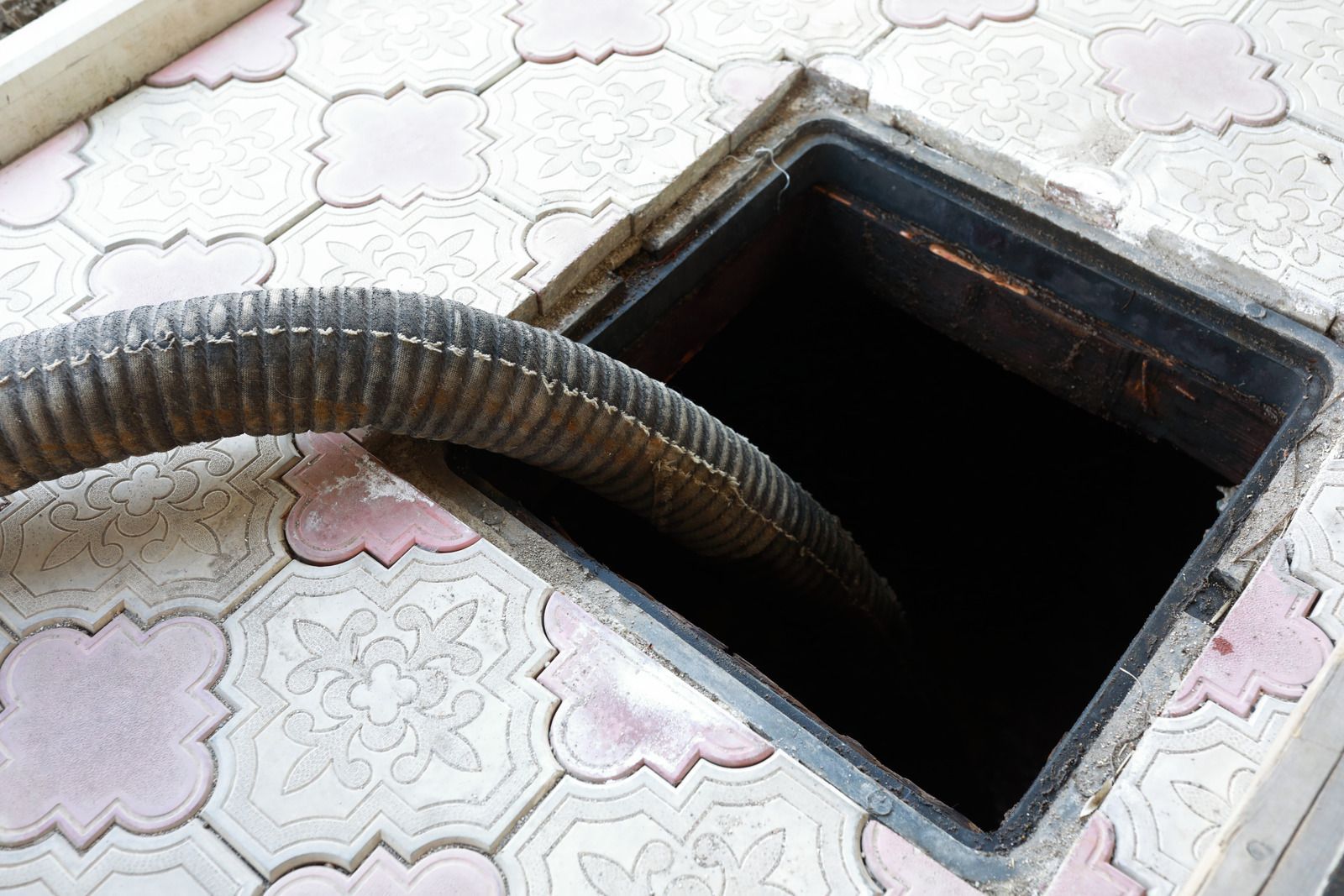
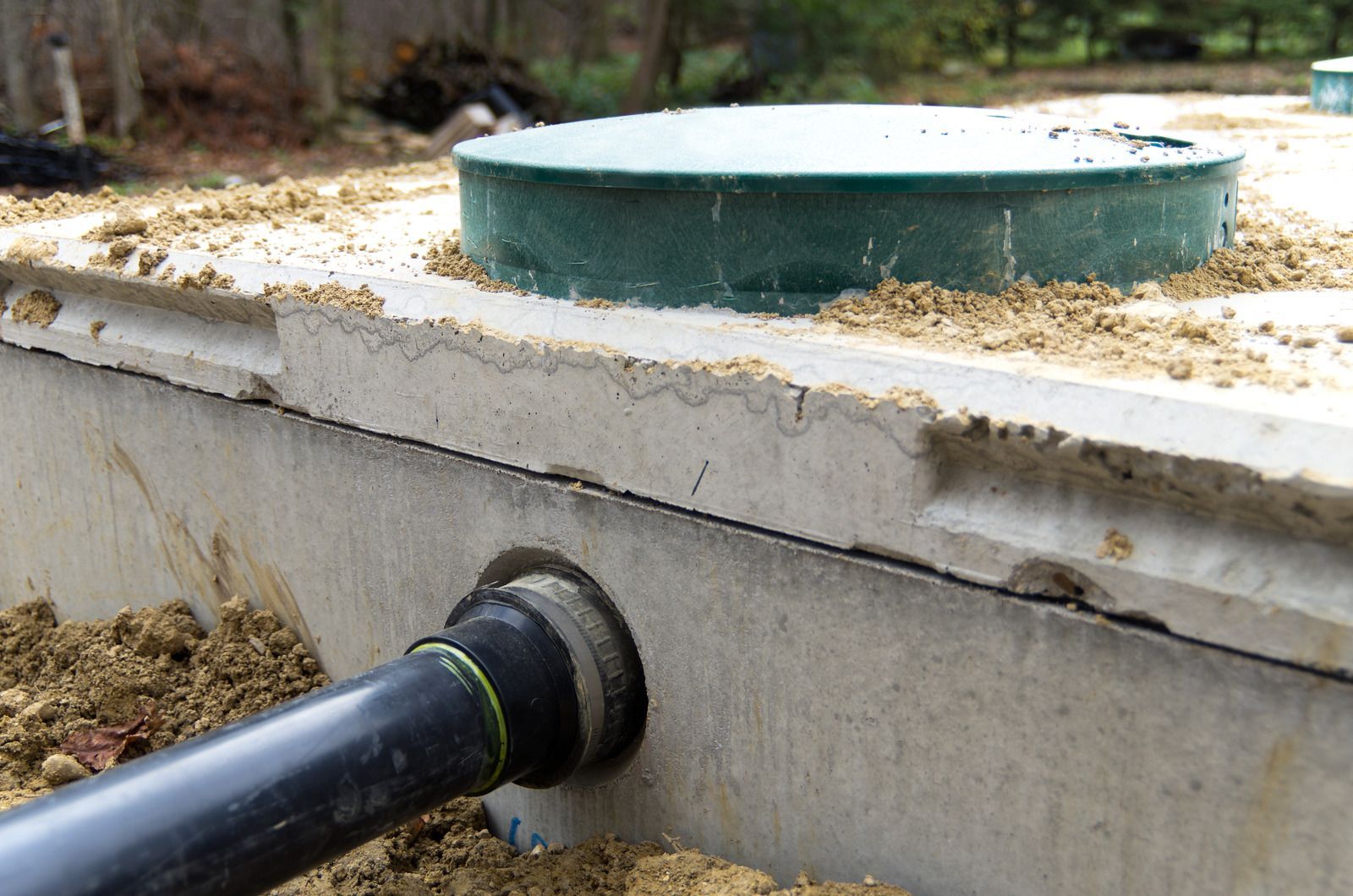
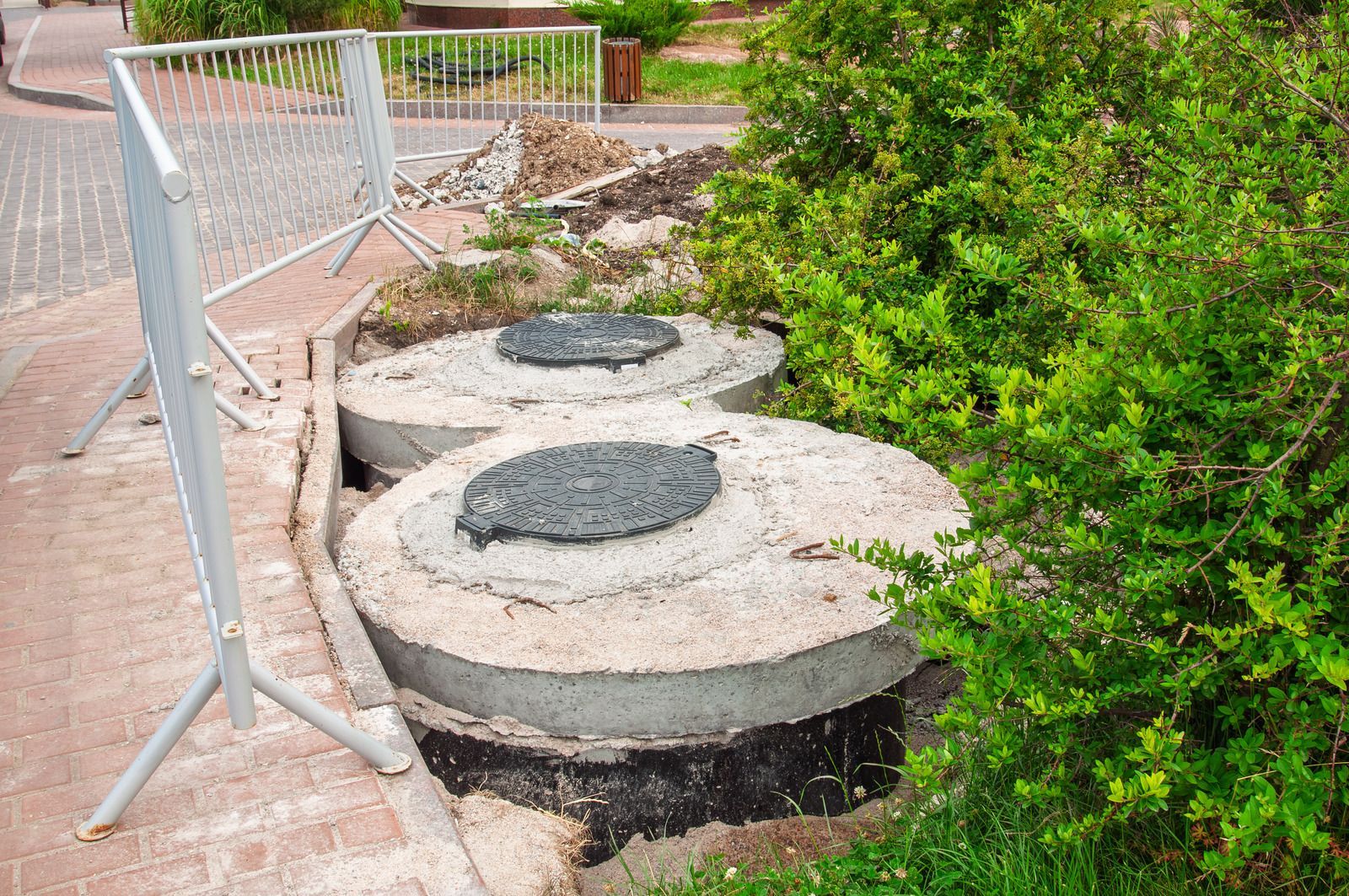
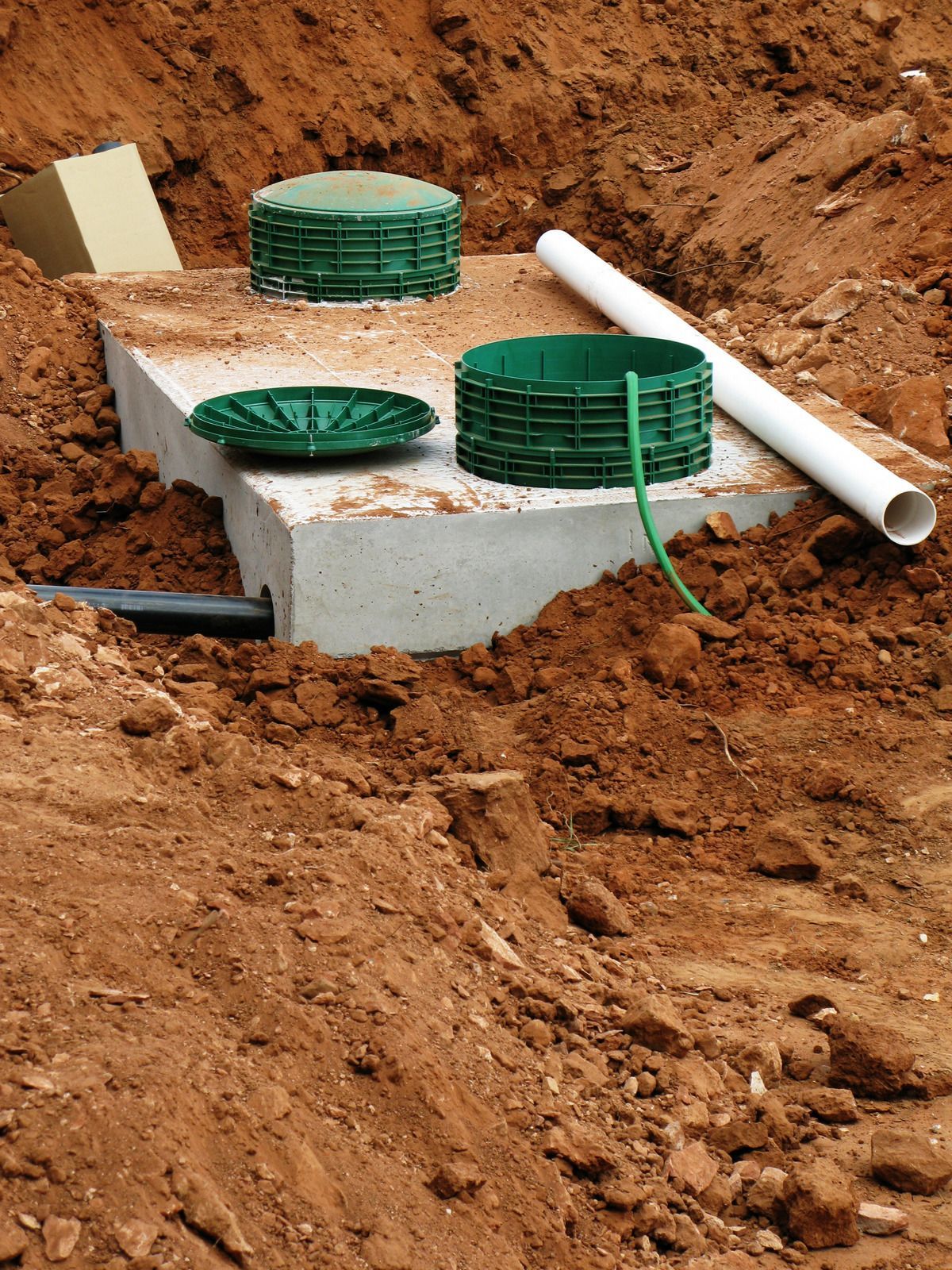
Concrete septic tanks remain one of the most reliable wastewater management systems for residential and rural properties, yet many property owners still follow outdated pumping schedules based on generalized timelines instead of actual usage patterns. The commonly repeated “pump every three years” recommendation may work for some households, but it often fails to reflect the realities of changing water consumption, occupancy levels, household size, appliance efficiency, and seasonal use. As more homeowners focus on long-term property maintenance and cost control, the septic industry continues shifting toward data-driven maintenance planning that reflects how systems are truly being used. A concrete septic tank operating under heavy daily demand requires a different schedule than a lightly used system serving a small household or seasonal property.
Modern septic maintenance depends on understanding measurable factors rather than relying on assumptions. Pumping too early increases unnecessary maintenance costs, while waiting too long raises the risk of sludge overflow, drain field damage, backups, and structural stress within the system. A data-driven maintenance calendar helps homeowners make informed decisions based on water usage habits, inspection findings, and tank performance indicators. By using actual operational data instead of a fixed timeline, concrete septic tank owners can protect system longevity, improve performance, reduce avoidable repairs, and maintain healthier wastewater treatment conditions throughout the year.
Why the Traditional 3-Year Rule No Longer Fits Every Household
Changes in Modern Water Usage Patterns
The traditional three-year septic pumping recommendation originated during a time when households followed more predictable water usage habits. Modern homes now include high-efficiency appliances, variable occupancy patterns, remote work arrangements, large soaking tubs, water-saving fixtures, and seasonal living schedules that dramatically influence wastewater production. Because of these changes, one universal pumping timeline rarely reflects actual tank conditions.
A household with two occupants using low-flow plumbing fixtures may generate far less wastewater than a family of six operating multiple bathrooms, daily laundry cycles, and extensive kitchen use. Both properties may own identical concrete septic tanks, yet sludge accumulation rates will differ significantly. Relying solely on a fixed schedule ignores these operational differences.
In many cases, homeowners unknowingly overpump systems that still have sufficient storage capacity. While pumping earlier than necessary may appear harmless, repeated unnecessary service visits increase maintenance costs over time. More importantly, generalized schedules can also create a false sense of security for households generating unusually high wastewater volumes.
The Risk of Delayed Maintenance
On the opposite side of the issue, homeowners who assume their systems can always wait three years may experience costly problems before reaching the scheduled service date. Excessive sludge buildup reduces the tank’s ability to separate solids from wastewater. Once solids begin moving into the drain field, long-term damage becomes far more likely.
Drain field repairs often involve excavation, soil replacement, line repairs, and major property disruption. A pumping schedule based on actual tank conditions helps identify increasing sludge levels before those problems develop. Instead of depending on estimates, homeowners gain measurable information supporting more accurate maintenance decisions.
Real-World Example of Variable Pumping Needs
Consider two households using the same tank size:
- Household A includes two adults who travel frequently, use water-efficient appliances, and spend several months away annually.
- Household B includes five residents, frequent overnight guests, multiple laundry loads each day, and a finished basement with additional plumbing fixtures.
Although both systems may technically follow the same “three-year rule,” Household B may require pumping significantly sooner due to faster sludge accumulation. Household A, meanwhile, may maintain acceptable sludge levels well beyond three years. Data-driven scheduling eliminates guesswork and allows maintenance timing to reflect actual demand.
Key Factors That Determine Septic Pumping Frequency
Household Size and Occupancy Changes
The number of people living in a property remains one of the largest contributors to septic tank loading. Every shower, toilet flush, dishwasher cycle, and laundry load contributes wastewater entering the system. Even temporary occupancy increases during holidays or family gatherings may affect tank performance over time.
Homeowners should evaluate:
- Full-time resident count
- Frequency of overnight guests
- Seasonal occupancy changes
- Home additions or finished basement conversions
- Rental property usage patterns
When occupancy increases permanently, the pumping schedule should be adjusted accordingly. A maintenance plan established years earlier may no longer match current wastewater demand.
Water Consumption Habits
Water usage directly impacts the speed at which solids accumulate and move through the septic tank. Excessive water flow can disturb natural separation processes inside the tank, reducing settling time for solids and increasing stress on the drain field.
Several common habits influence wastewater volume:
Laundry Scheduling
Running multiple laundry loads back-to-back introduces large amounts of water into the system quickly. Spacing laundry throughout the week reduces hydraulic stress inside the tank.
Long Shower Usage
Extended shower use increases daily water flow, particularly in larger households. Monitoring household water habits helps identify trends that may shorten pumping intervals.
Garbage Disposal Use
Frequent garbage disposal use increases solid waste entering the tank. Food waste contributes additional sludge buildup, requiring more frequent inspections and pumping.
Tank Size and System Design
Concrete septic tanks vary in storage capacity depending on property size and intended wastewater demand. Smaller tanks serving large households often require shorter pumping intervals because solids accumulate more rapidly.
System design also influences maintenance timing. Older systems may have different compartment configurations, outlet filters, or baffle conditions affecting wastewater separation. Homeowners should understand:
- Total tank capacity
- Age of the system
- Drain field condition
- Presence of effluent filters
- Historical pumping records
Properties lacking maintenance documentation benefit from professional inspections establishing a new baseline for future scheduling.
Warning Signs That Your Current Schedule Is Wrong
Slow Drains and Plumbing Backups
One of the earliest signs of excessive sludge accumulation involves slow drains throughout the home. Toilets, sinks, tubs, and showers may drain more slowly as wastewater flow becomes restricted.
Ignoring these symptoms may eventually lead to sewage backups inside the property. While occasional clogs may result from localized plumbing issues, widespread drainage problems often indicate septic system stress.
Unpleasant Odors Around the Property
Strong sewage odors near the septic tank or drain field may indicate that the system is overloaded or struggling to process wastewater. Odors can develop when solids reduce treatment efficiency or wastewater rises too close to the surface.
These conditions often appear when pumping intervals extend beyond the tank’s actual capacity limits.
Standing Water Near the Drain Field
Pooling water around the drain field may signal hydraulic overload or restricted wastewater absorption. Excess solids entering the drain field can clog soil pores, reducing drainage performance.
This issue becomes far more expensive once drain field damage develops. Early pumping and inspection reduce the likelihood of extensive repair costs.
Sudden Changes in Lawn Appearance
Unusually green grass or soggy soil above septic components may indicate excess nutrient release or wastewater leakage. While healthy vegetation alone does not confirm a septic issue, noticeable changes should prompt inspection.
A data-driven maintenance schedule helps identify developing problems before they create visible property damage.
Using Seasonal Trends to Adjust Pumping Schedules
Seasonal Homes and Vacation Properties
Properties used only during part of the year often accumulate waste more slowly than full-time residences. A seasonal cabin or vacation property may not require the same pumping interval as a permanently occupied home.
However, seasonal systems still require inspections because periods of inactivity can influence bacterial balance and moisture conditions inside the tank.
High-Usage Holiday Periods
Homes hosting large gatherings during holidays or summer months may experience temporary spikes in wastewater generation. Additional guests increase toilet use, laundry demand, showers, and kitchen wastewater.
Monitoring these high-demand periods helps homeowners determine whether inspection timing should change after busy seasons.
Weather and Soil Conditions
Heavy rainfall and saturated soil conditions may affect drain field performance, particularly in properties with aging systems or poor drainage conditions. Monitoring environmental trends alongside system performance creates a more accurate long-term maintenance strategy.
Homeowners should pay closer attention during:
- Extended rainy periods
- Spring thaw conditions
- Flood-prone seasons
- Drought conditions affecting soil structure
A flexible maintenance calendar responds more accurately to environmental factors than a rigid timeline.
Skilled Septic Industry Professionals Focused On Durability
Concrete septic tanks require more than a generalized pumping schedule to maintain reliable long-term performance. Every property operates under different conditions influenced by occupancy, water usage, household habits, system size, and seasonal demand. A data-driven maintenance calendar allows homeowners to replace guesswork with measurable information that supports smarter decisions and reduces unnecessary service costs. By combining inspections, water consumption tracking, sludge measurements, and operational awareness, septic owners can identify the right pumping interval for their specific system.
For more than 41
years, Dave’s Concrete Products
in Lawton, Michigan, has provided dependable solutions supporting long-term septic system performance and responsible property maintenance. Our experience with concrete septic tanks, wastewater management, and system durability allows us to help property owners make informed decisions based on practical operational needs instead of outdated assumptions. We understand that every property functions differently, which is why maintenance planning should reflect actual usage patterns rather than relying solely on fixed timelines. Through decades of industry knowledge, we continue helping homeowners protect septic system investments with durable products, reliable guidance, and maintenance recommendations rooted in real-world performance. Our commitment to quality workmanship and customer education supports safer, more efficient wastewater management for residential and rural properties throughout the region.