How to Choose the Right Septic Tank Size for Your Property?
December 27, 2025
Selecting the appropriate septic tank size for your property is a critical decision that directly impacts the long-term efficiency, maintenance costs, and environmental safety of your wastewater system. While many homeowners focus primarily on the cost of installation or the immediate functionality of the system, understanding the correct size requirements can prevent costly repairs, avoid frequent pumping, and ensure your system operates effectively for decades. Choosing the wrong size can lead to issues such as system overload, improper waste treatment, and even health hazards for residents. Therefore, making an informed decision is more than a technical matter—it is a long-term investment in your property’s infrastructure and well-being.
Several factors influence the determination of the right septic tank size, ranging from household size and water usage patterns to soil type and local regulations. Understanding these factors requires careful planning and a thorough assessment of your property’s unique characteristics. Moreover, modern septic systems must comply with stringent environmental and health standards, making professional guidance essential. This blog will provide a comprehensive, actionable guide to help homeowners and property developers choose the right septic tank size, ensuring optimal performance, sustainability, and peace of mind. By the end, you will have a clear understanding of the key considerations, best practices, and expert recommendations for selecting a septic tank that suits your property’s needs.
Understanding Septic Tank Basics
- What is a Septic Tank?
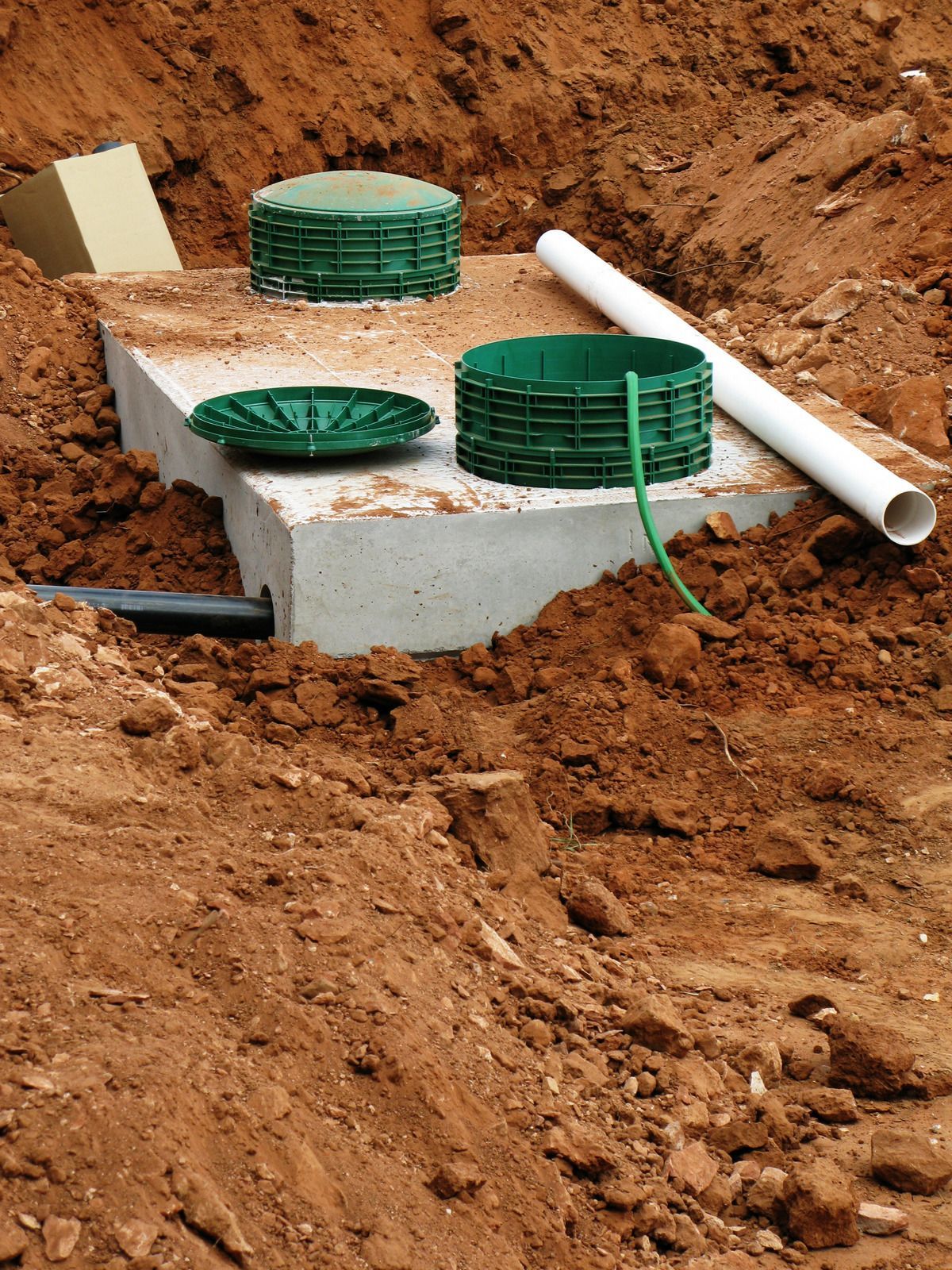
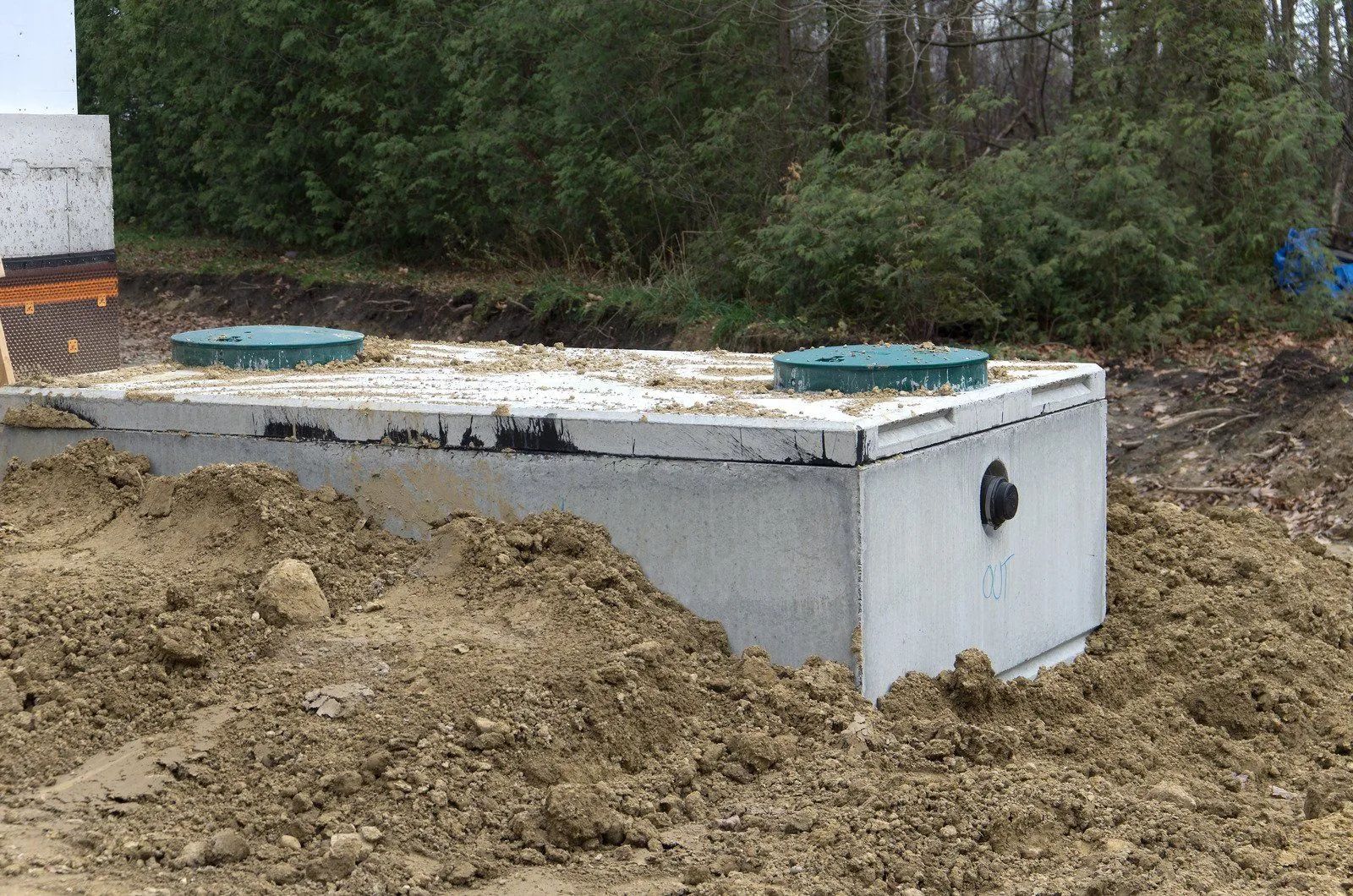
A septic tank is a subterranean wastewater treatment system that collects, separates, and partially treats household sewage before discharging it into a drain field or leach field. The tank’s primary function is to allow solids to settle at the bottom, forming sludge, while oils and grease float to the top as scum. The liquid effluent in the middle layer is then gradually released into the soil, where further treatment occurs naturally. Proper sizing is crucial because a tank that is too small will fill up quickly, causing untreated sewage to overflow or back up into the property. Conversely, a tank that is excessively large may not operate efficiently and could lead to anaerobic conditions, producing unpleasant odors.
- Common Septic Tank Sizes
Septic tanks come in a variety of sizes, typically ranging from 750 gallons for small residences to over 2,500 gallons for larger homes or commercial properties. The most common residential septic tanks range between 1,000 and 1,500 gallons. Selecting the correct size is not only about volume but also about the rate at which wastewater enters the tank. The goal is to ensure that solids have adequate retention time to settle, while the liquid effluent is released at a controlled pace. Understanding the technical specifications of available tank sizes allows homeowners to make informed decisions and avoid under- or over-sizing.
Key Factors Influencing Septic Tank Size
Household Size and Water Usage
One of the primary determinants of septic tank size is the number of occupants in the home. A general rule of thumb is that a tank should accommodate approximately 150 gallons of wastewater per person per day. For instance, a household of four would typically require a tank that can handle around 600 gallons daily. This calculation ensures that the tank has enough capacity to process incoming sewage without risk of overflow. Additionally, water usage patterns, including the frequency of laundry, showers, and kitchen activities, should be considered, as they influence the daily wastewater volume.
Soil Type and Absorption Capacity
The type of soil on your property significantly impacts the septic system’s efficiency and may dictate tank sizing. Sandy soils drain quickly and allow for faster absorption of effluent, whereas clay-heavy soils drain slowly, requiring a larger tank to accommodate slower dispersal rates. Conducting a soil percolation test, often mandated by local health departments, is essential to determine soil absorption rates and plan an appropriate septic tank capacity and drain field layout.
Property Layout and Space Constraints
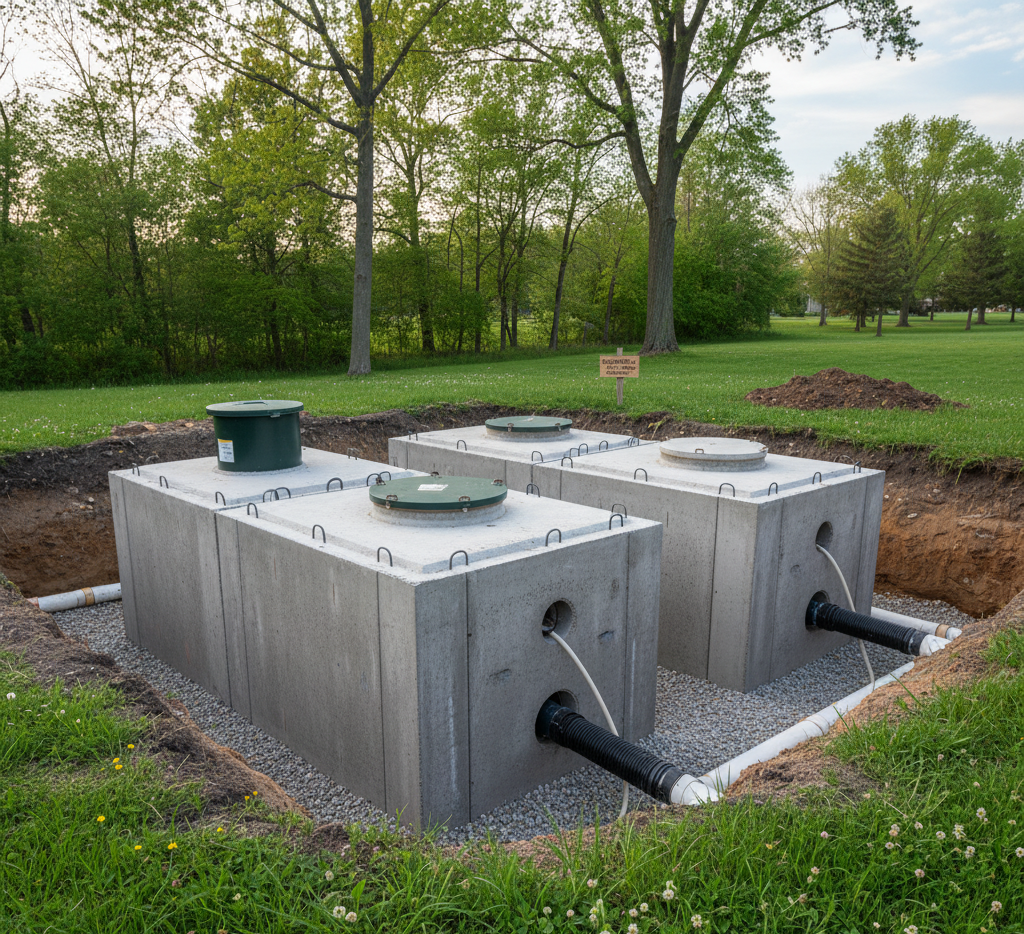
The physical layout of your property can limit tank size options. In urban or suburban areas with smaller lots, there may be restrictions on the space available for both the septic tank and drain field. In such cases, careful planning is required to select a tank that fits the available space while still meeting household needs. For larger properties, multiple tanks or a larger single tank may be feasible, providing additional capacity and flexibility for future expansion.
Local Regulations and Permits
Septic tank sizing is not only a matter of technical performance but also of legal compliance. Local building codes and environmental regulations often set minimum tank sizes based on property type and occupancy. Permits are usually required before installation, and failure to comply with regulations can result in fines or mandatory system modifications. Consulting with local authorities ensures that your tank meets all regulatory requirements and prevents legal complications down the line.
Calculating the Right Septic Tank Size
- Step 1: Estimate Daily Wastewater Flow
Start by calculating the anticipated daily wastewater flow. Multiply the number of household occupants by the average daily water usage per person, typically around 60 to 75 gallons. For example, a family of five using 65 gallons per day per person would produce roughly 325 gallons of wastewater daily. This estimate provides the baseline for determining an appropriate tank size.
- Step 2: Factor in Peak Usage
Consider peak usage periods, such as weekends or holidays, when water consumption may temporarily spike. Adding an additional 20-30% capacity to your estimated daily flow can accommodate these fluctuations, preventing overflow during high-demand periods. This buffer ensures your system maintains efficiency even under variable conditions.
- Step 3: Account for Solids Retention
Septic tanks must retain solids long enough for proper decomposition. A general guideline is to allow 2-3 days of retention time for the daily wastewater volume. For the previous example of 325 gallons daily, a tank with a minimum capacity of 1,000 gallons would provide sufficient retention time for solids to settle and prevent clogging or early failure.
- Step 4: Consider Future Growth
It’s wise to anticipate potential increases in household size or water usage. Installing a slightly larger tank than current needs dictate can save significant costs in the long term. Properties with plans for additions, extra bathrooms, or higher occupancy should factor future growth into tank sizing to avoid costly upgrades later.
Benefits of Properly Sized Septic Tanks
Enhanced System Efficiency
A correctly sized septic tank ensures optimal retention of solids and controlled release of effluent, improving the overall efficiency of the system. This reduces the likelihood of backups, blockages, and system failures.
Reduced Maintenance and Costs
Proper sizing reduces the frequency of pumping and cleaning, lowering maintenance costs over time. An undersized tank may require more frequent attention, while an oversized tank may underperform and generate odor issues, indirectly increasing upkeep costs.
Environmental Protection
A septic system that functions correctly minimizes the risk of untreated wastewater contaminating soil, groundwater, or nearby water sources. Proper sizing ensures adequate treatment and safe dispersal, protecting both public health and the environment.
Long-Term Property Value
Well-designed, properly sized septic systems contribute to property value. Prospective buyers recognize the benefits of an efficient system, including lower maintenance and reduced environmental risk, making your property more appealing.
Common Challenges and Mistakes
- Underestimating Water Usage
Many homeowners underestimate their household water usage, leading to undersized septic tanks. This often results in frequent backups, system overflows, and premature tank failure. Accurate daily water usage calculations are critical to avoid this problem.
- Ignoring Soil Conditions
Installing a tank without proper soil analysis can compromise system performance. Poor drainage or slow percolation can overwhelm a standard-sized tank, necessitating modifications or the installation of additional equipment.
- Overlooking Regulatory Compliance
Failure to adhere to local codes can cause installation delays, fines, or mandated system upgrades. It’s essential to secure proper permits and follow local guidelines when selecting tank size.
- Neglecting Future Needs
Many homeowners choose a tank based solely on current needs, ignoring potential growth. Planning for future increases in household size or water usage ensures your system remains adequate for decades.
Best Practices for Choosing a Septic Tank
Consult a Professional
Engage a licensed septic system designer or installer early in the planning process. Professionals can evaluate your property, soil, and household needs to recommend the ideal tank size.
Conduct Soil and Site Assessments
Soil tests, site evaluations, and drainage analysis provide critical data for selecting a tank that operates efficiently within your property’s natural conditions.
Plan for Maintenance
Choose a tank size that aligns with manageable pumping and inspection schedules. Regular maintenance extends the system’s lifespan and avoids unexpected repairs.
Consider Modular or Expandable Systems
For properties with uncertain future needs, consider modular or expandable septic systems that can accommodate growth without major reconstruction.
Use Quality Materials
Invest in high-quality tanks made from durable materials such as reinforced concrete or high-density polyethylene. A well-built tank ensures long-term performance, safety, and reliability.
Expert Solutions Designed for Long-Term Septic Efficiency
Choosing the right septic tank size is a critical investment in the efficiency, longevity, and safety of your property’s wastewater system. By carefully evaluating factors such as household size, water usage patterns, soil conditions, property layout, and local regulations, homeowners can select a tank that not only meets current needs but also accommodates future growth. Proper sizing enhances system performance, reduces maintenance requirements, protects the environment, and contributes to long-term property value. Avoiding common mistakes and following best practices ensures that your septic system remains a reliable and sustainable solution for years to come.
For over four decades, Dave’s Concrete Products
has been a trusted provider of
high-quality septic tanks in Lawton, Michigan. With 41
years of experience, the company has built a reputation for delivering durable, reliable products tailored to meet the unique needs of residential and commercial properties. Whether you are installing a new system or upgrading an existing one, Dave’s Concrete Products offers expert guidance, superior craftsmanship, and solutions designed for long-term efficiency. Our team works closely with property owners to ensure every septic tank installation is optimized for performance, compliance, and durability, making us the go-to authority for septic solutions in the region.